-
Standard Range: Metric M1.0 > M52, Inch Oun > 2"
-
E-CATALOGUE



STAINLESS STEEL WASHERS
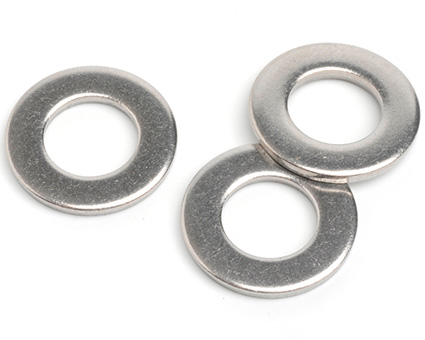
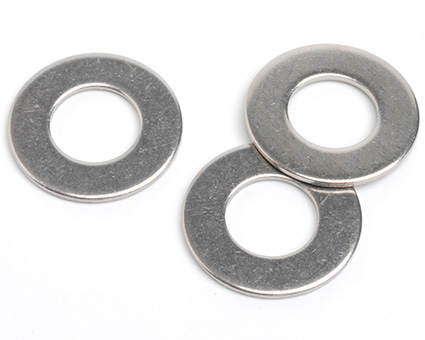
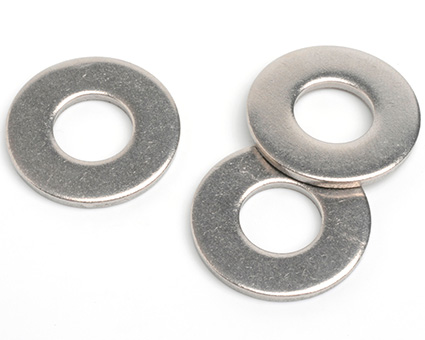
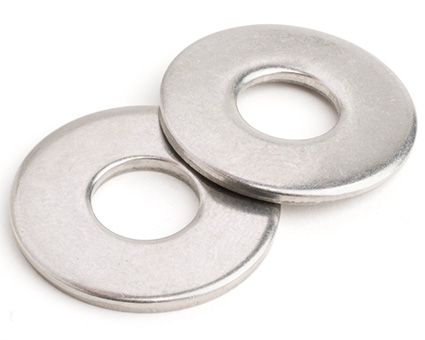
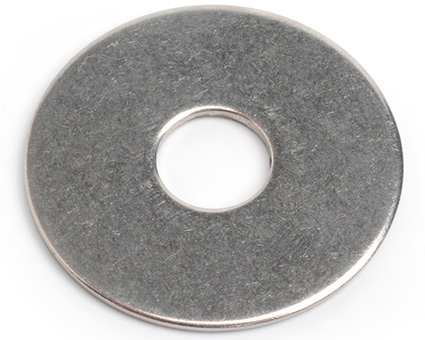
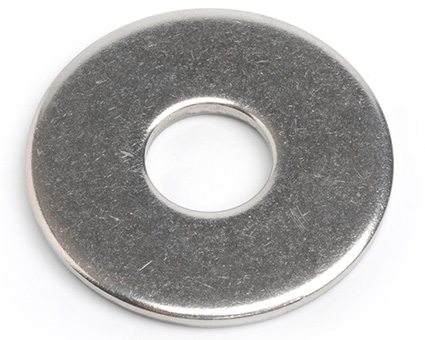
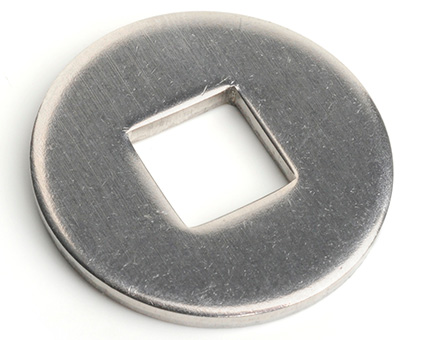
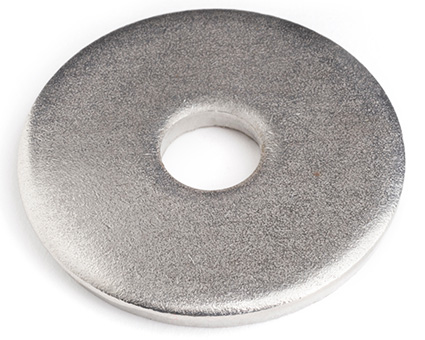
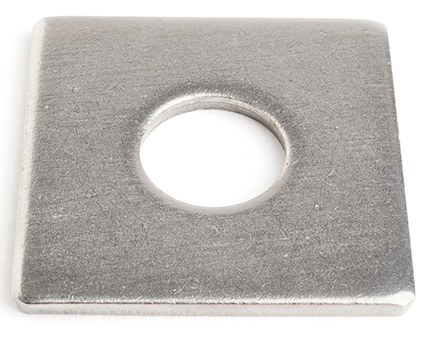
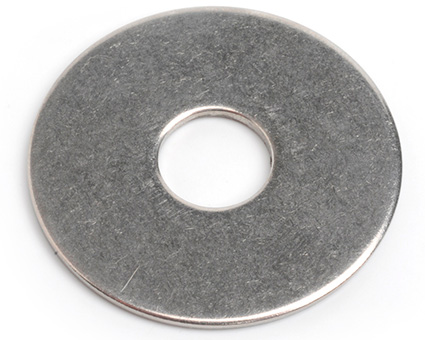
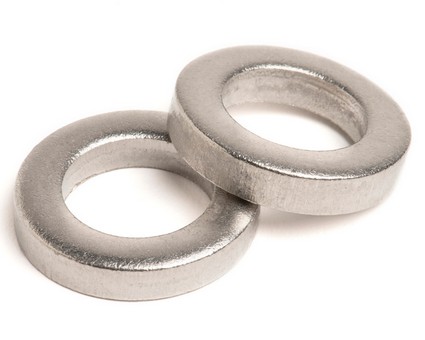
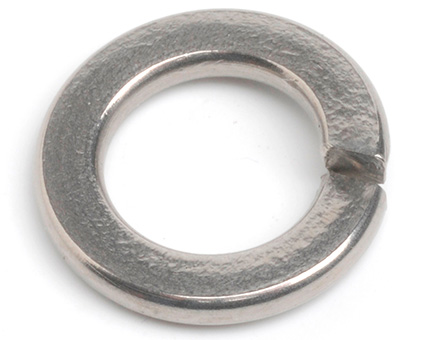
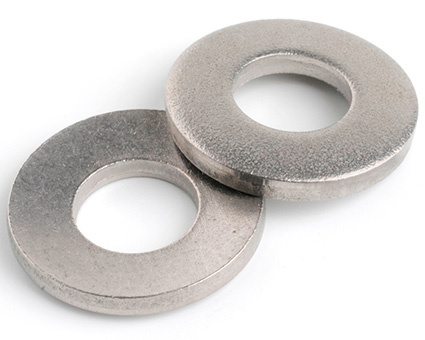
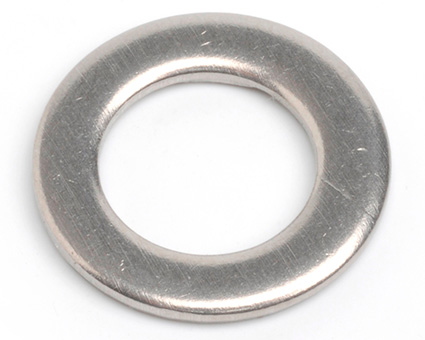
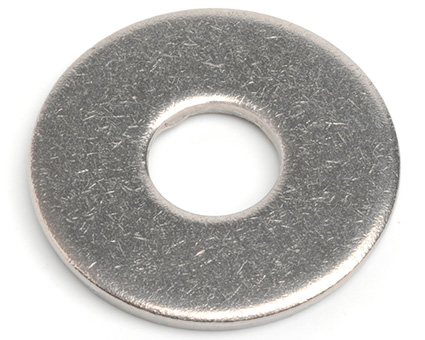
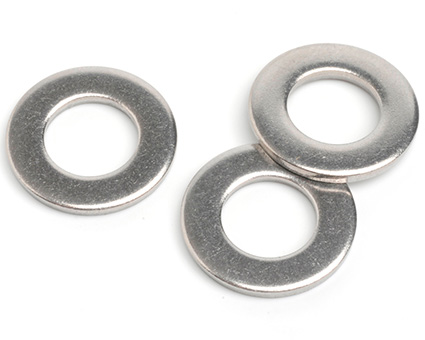
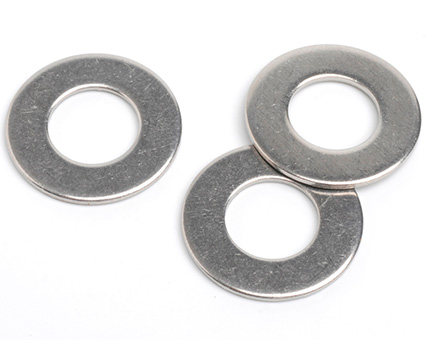
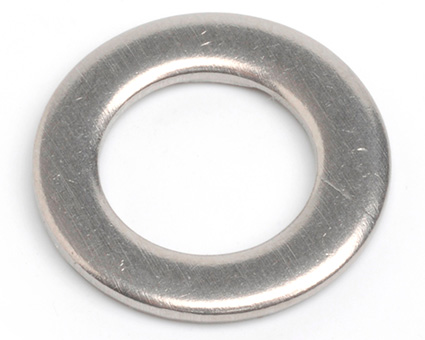
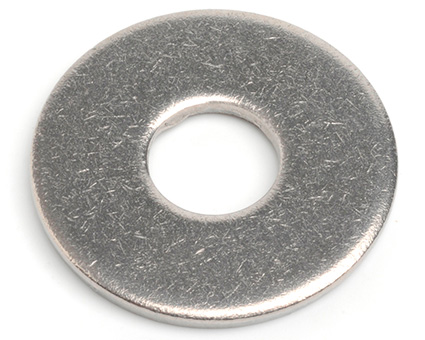
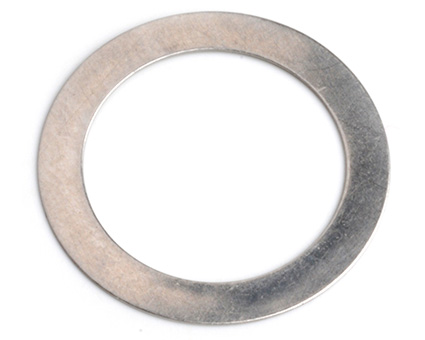
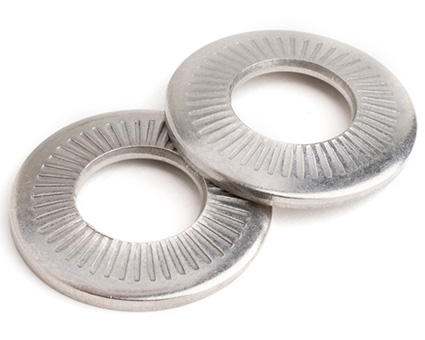
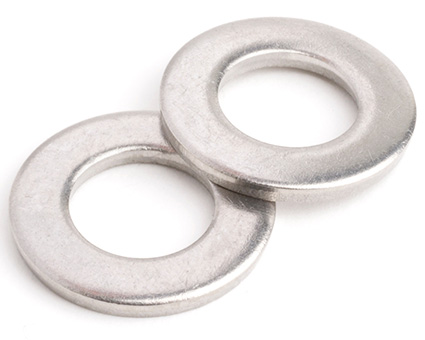
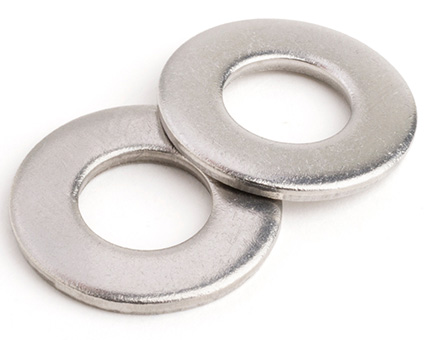
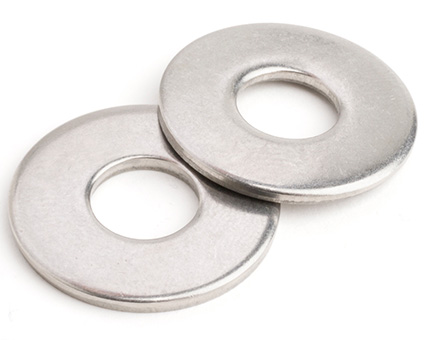
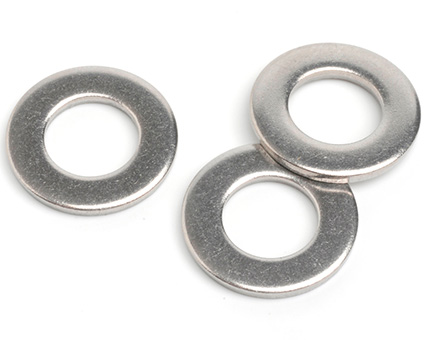
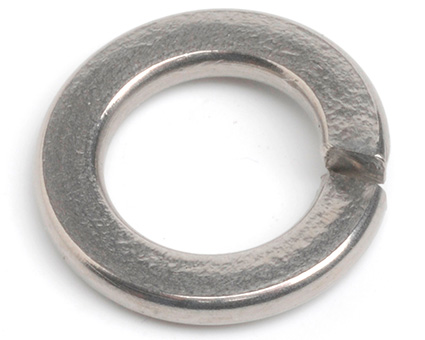
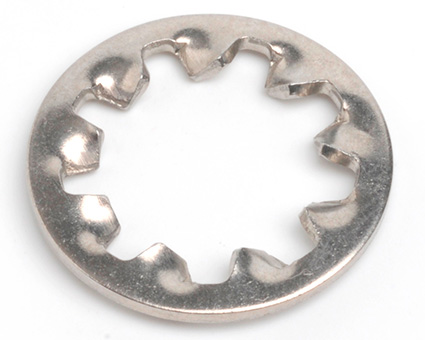
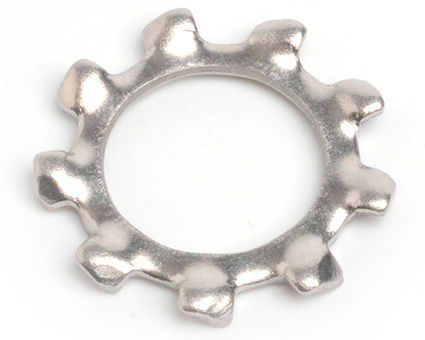
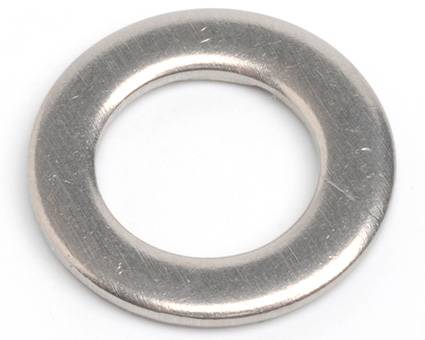
Washers
A washer is a thin, flat component with a central hole, fitted under a nut or bolt head to spread the clamping load over a wider area, protect the surface finish of the joined parts, and in some designs, help resist loosening under vibration. The category splits broadly into flat load-spreading washers, spring and tooth washers that add a locking function, and a number of specialist types built for a specific mechanical job - shimming, sealing, tab-locking or seating a curved surface. PTS's washer range is designed to be paired with our Nuts and Hexagons, with Precision Shim Washers and Nord-Lock covering more specialised locking and adjustment needs.
Flat Washers
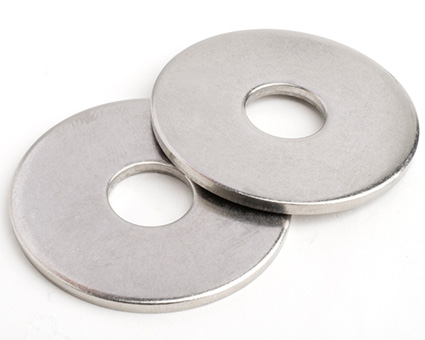
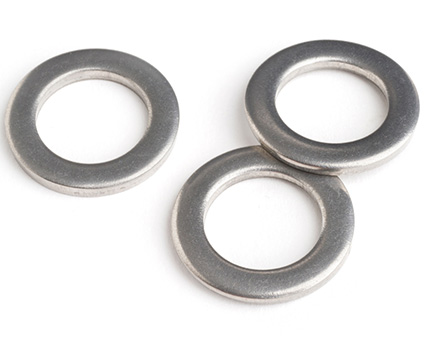
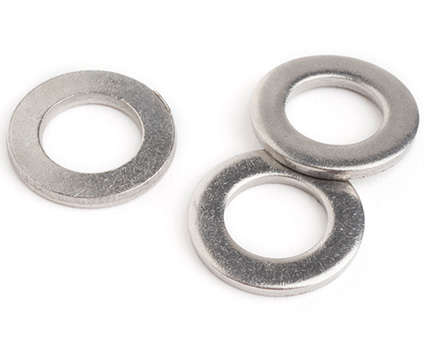
The general-purpose flat washer is stocked across several overlapping standards: Form A (DIN 125), Form B and Form C (BS 4320), Table 3 Light (BS 3410), and Penny Washers for a larger-than-standard outer diameter. Metric-series equivalents follow the ISO 7089/7090/7092/7093-1 family (including a chamfered version, ISO 7090, and a large series, ISO 7093-1), while DIN 9021 provides an oversized outer diameter (3xd). Further variants - DIN 433 for use under cheese head screws, DIN 7349 for bolts fitted with spring pins, and DIN 7989 for structural steelwork - are sized for a specific fastener or application rather than general use.
Timber and Construction Washers
Wood Construction Washers (DIN 440R, DIN 1052, and the square-hole DIN 440V) and Square Wood Construction Washers (DIN 436) have a significantly larger outer diameter and greater thickness than a standard flat washer, spreading load over the softer, more compressible surface of timber to stop the fastener pulling through.
Spring, Curved and Wave Washers
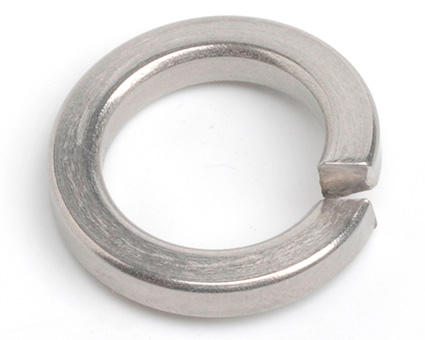
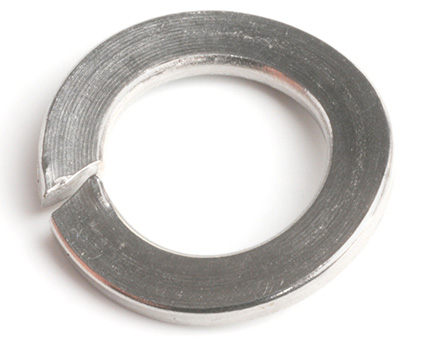
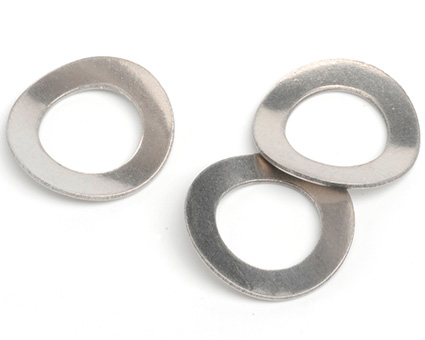
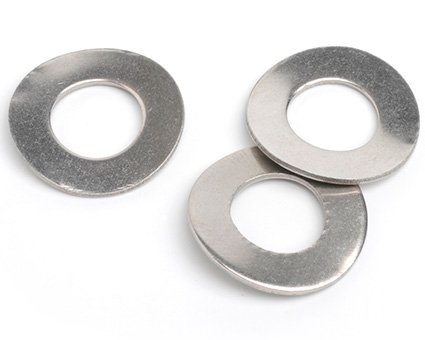
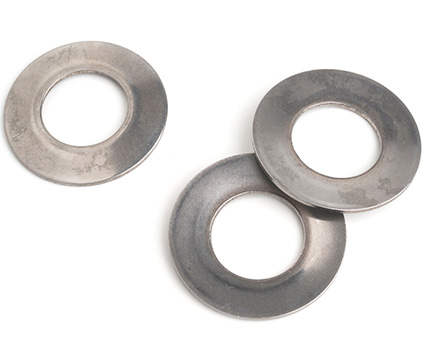
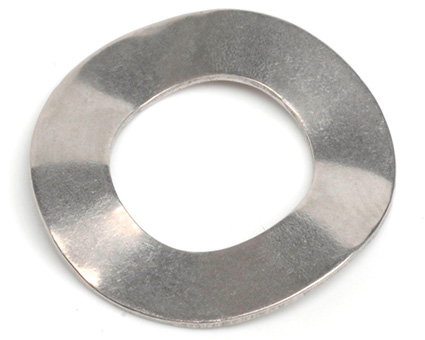
Rectangular Section Spring Washers (DIN 127) and Square Section Spring Washers (DIN 7980) are split-ring washers that compress under the fastener head, intended to maintain some residual tension and resist loosening. Curved Spring Washers (DIN 128A), Curved Washers (DIN 137A) and Wave Washers (DIN 137B) work on a similar principle using a curved or waved profile instead of a split ring, while Conical Spring Washers (DIN 6796) and Disc Springs (DIN 2093) are designed to take up axial play and apply a more controlled, defined spring load.
Tooth and Serrated Locking Washers
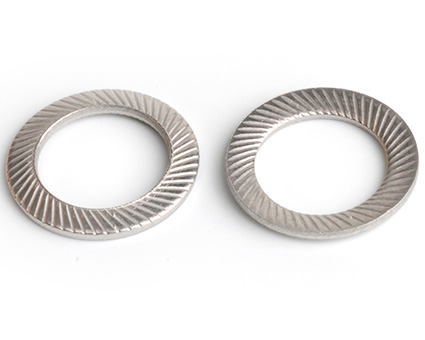
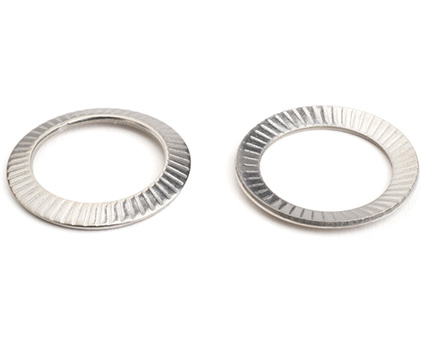
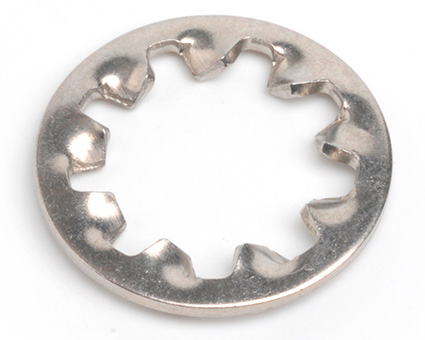
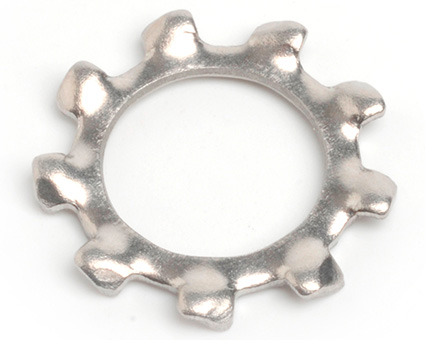
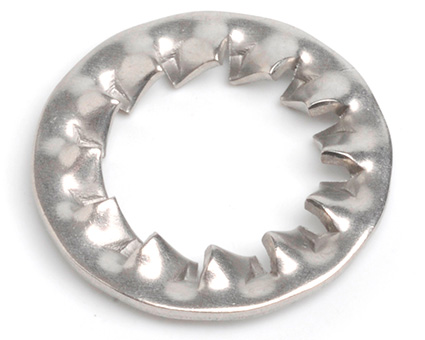
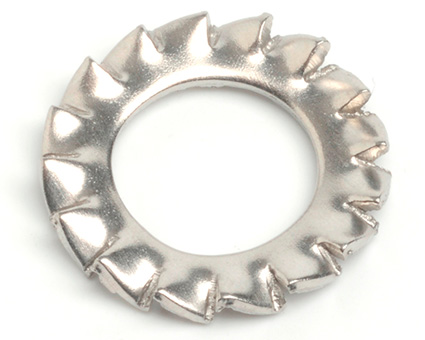
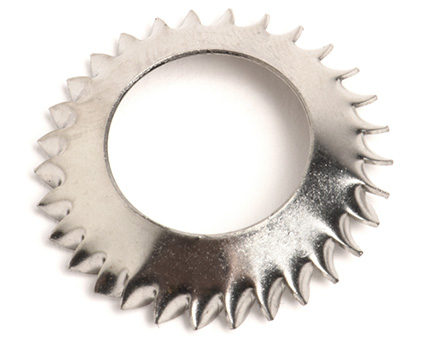
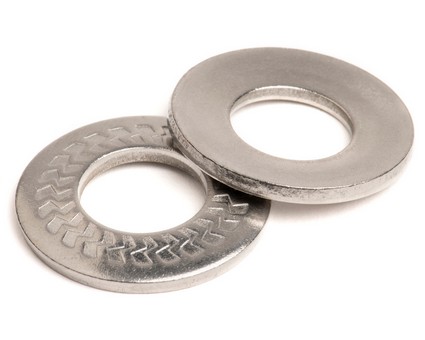
Internal and External Tooth Washers (DIN 6797J/A and DIN 6798J/A), the countersunk variant (DIN 6798V), and Crinkle Washers (BS 4463) use serrated teeth that bite into the bearing surfaces on both sides to resist rotation. Locking Washer S Type and the Schnorr S Type and VS Type washers are a related design combining a ramped serration with a degree of spring action for a stronger anti-loosening effect than a plain tooth washer.
Shim Washers
Shim Washers (DIN 988) are precision-thickness washers used to fine-tune axial clearance, take up end-float in a bearing or gear assembly, or set a specific preload - not to spread load or resist loosening. They're supplied in closely graduated thicknesses so several can be stacked to reach an exact dimension; see Precision Shim Washers for the full range.
Tab and Clevis Pin Washers
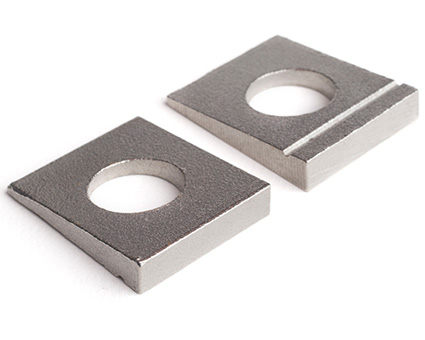
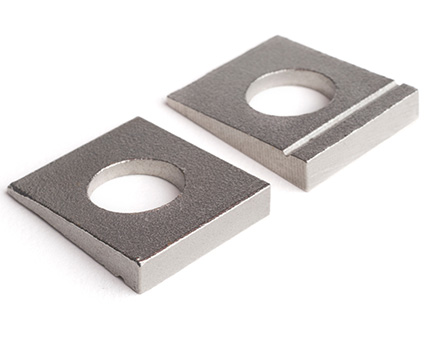
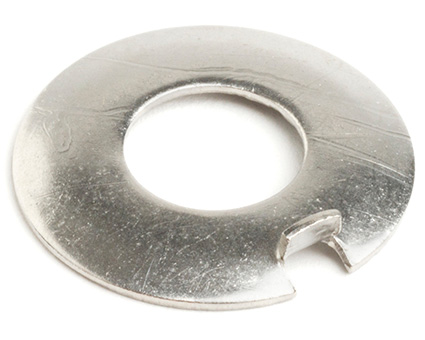
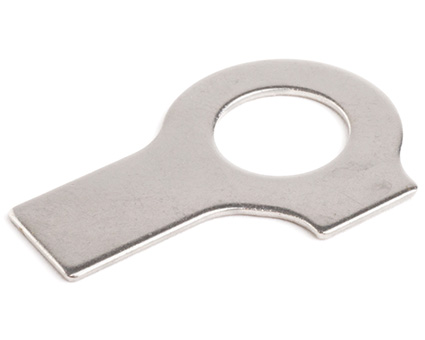
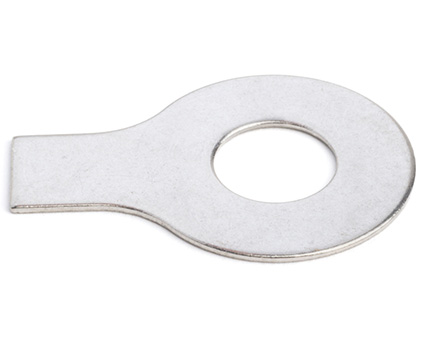
Tab Washers (DIN 432, DIN 463, DIN 93) have one or more lugs that bend up against a flat on the nut and a fixed part of the assembly, providing a positive mechanical lock rather than relying on friction. Washers for Clevis Pins (DIN 1440 medium, DIN 1441 coarse) and the Square Taper Washers for U-section and I-section beams (DIN 434, DIN 435) are shaped for a specific mechanical fitting rather than general bolted joints.
Finishing, Sealing and Seating Washers
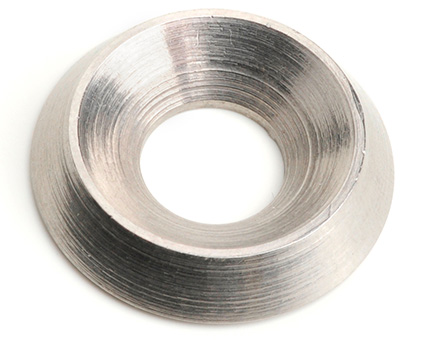
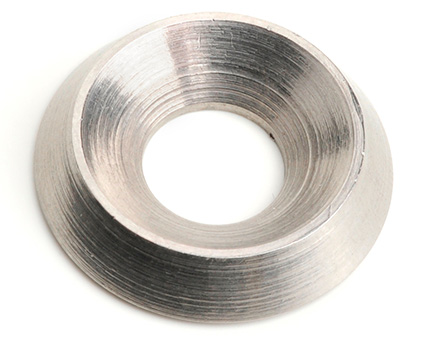
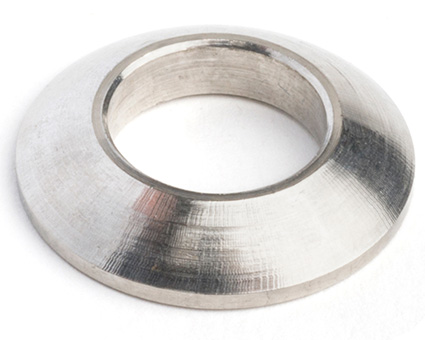
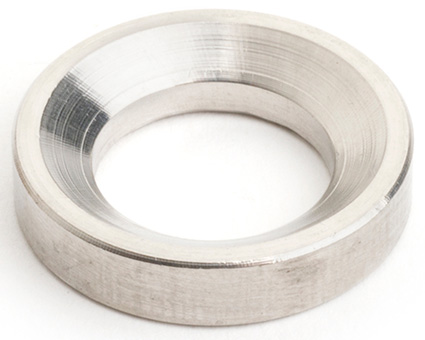
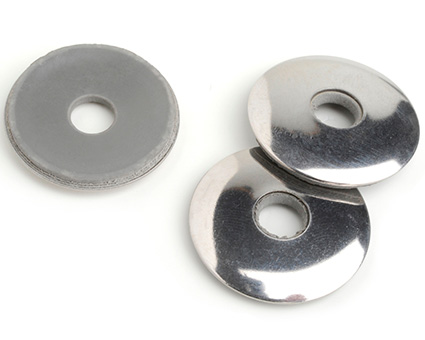
Solid and Stamped Metal Finishing Washers (NFE 27-619) sit under a countersunk or raised-head screw for a neater finish. Spherical Washers and their matching Conical Seat Washers (DIN 6319C/D) work as a pair to correct for a misaligned or angled bearing surface, while Bonded Sealing Washers with a grey EPDM insert provide a weatherproof seal under the fastener head.
Imperial, USA and AFNOR Series
For imperial and North American specifications, PTS stocks USA Flat Washers, the USA 800 Series Flat Washers, and the ASME B18.21.1 family of Medium Split Lockwashers and internal/external tooth washers. For the French AFNOR standard, the range covers Type Z, M, L and LL flat washers (NFE 25-514), the AFNOR Serrated Conical Spring Washer (NFE 25-511-M), and the related Z-Serrated Conical Washer Type M.
FAQs
What's the difference between Form A and Form B/C flat washers?
Form A (DIN 125) is the standard light-series flat washer used for most general clearance-hole applications. Form B and Form C (BS 4320) step up in outer diameter and thickness for the same bolt size, giving a larger bearing area where the clearance hole is oversized or the load needs spreading further, with Form C generally the heavier of the two; check the BS 4320 dimensional tables for the exact differential for a given bolt size.
When should I use a spring or tooth washer instead of a plain flat washer?
A plain flat washer only spreads load and protects the surface - it does nothing to stop the nut or bolt rotating loose under vibration. Spring washers (DIN 127, DIN 128A) and tooth washers (DIN 6797/6798) add a mechanical or frictional locking element, so they're specified where the joint is exposed to vibration, impact or cyclic loading and a nylon insert or all-metal locknut isn't being used instead.
What is a shim washer used for?
A shim washer is a very thin, precisely made washer used to take up small amounts of axial clearance in an assembly - for example, setting bearing preload, correcting end-float in a gear train, or fine-tuning the stack height of a fastener joint. They're supplied in closely graduated thicknesses so several can be combined to reach a specific overall dimension, and they aren't intended to carry significant clamp load on their own.
Do you stock imperial as well as metric washers?
Yes. Imperial washers are covered mainly through the USA Flat Washers, USA 800 Series Flat Washers, and the ASME B18.21.1 lockwasher and tooth washer ranges. The DIN, BS, ISO and AFNOR families that make up most of the catalogue are metric, so for an imperial bolt or screw check the ASME or USA-specific lines first.