-
Standard Range: Metric M1.0 > M52, Inch Oun > 2"
-
E-CATALOGUE



STAINLESS STEEL SECURITY SCREWS
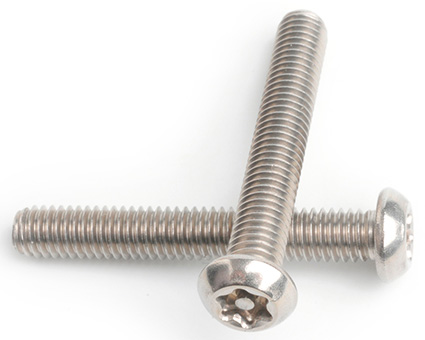
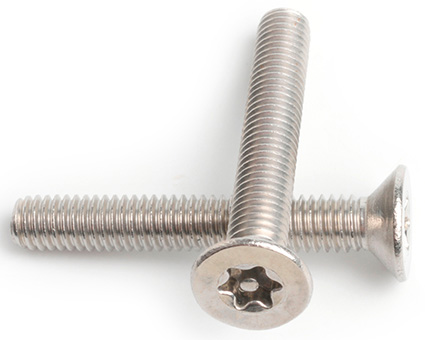
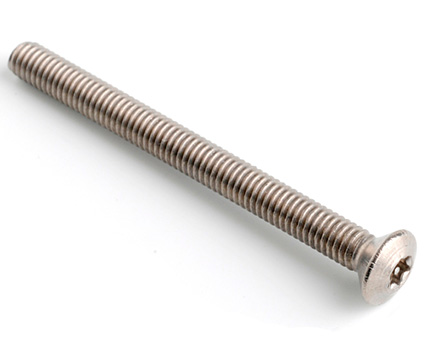
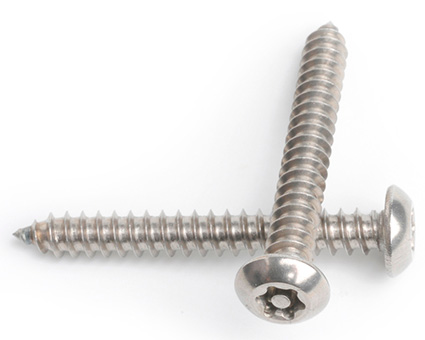
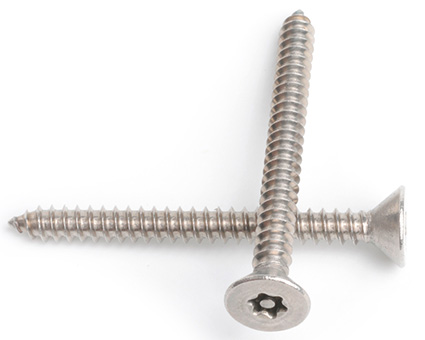
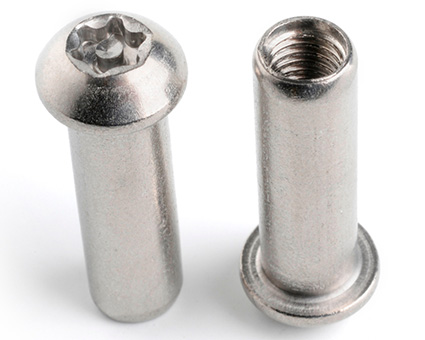
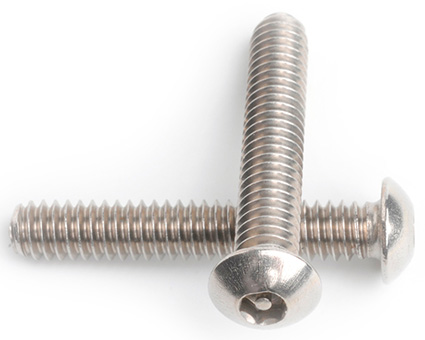
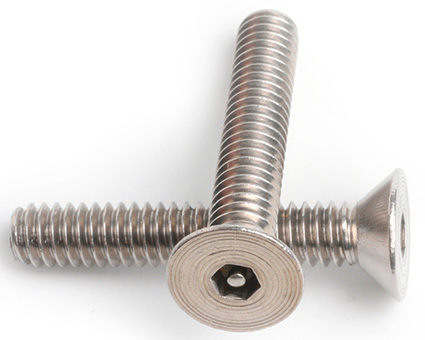
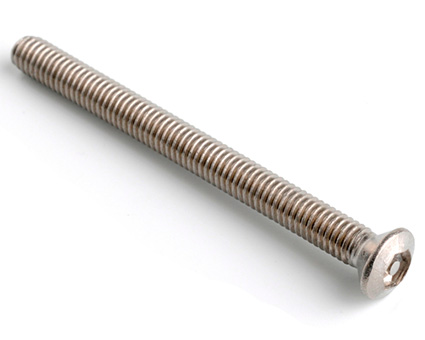
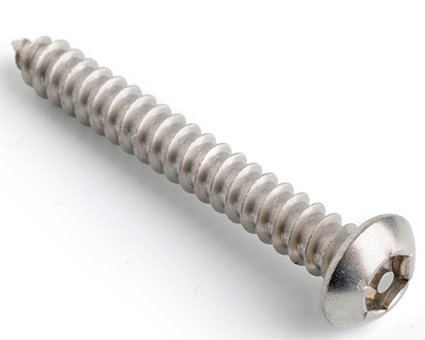
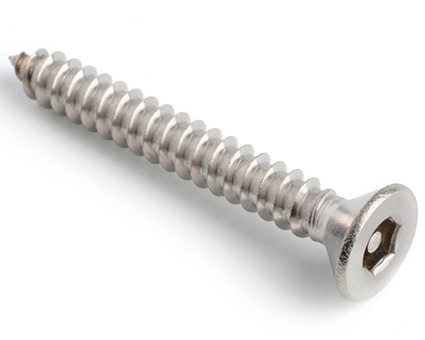
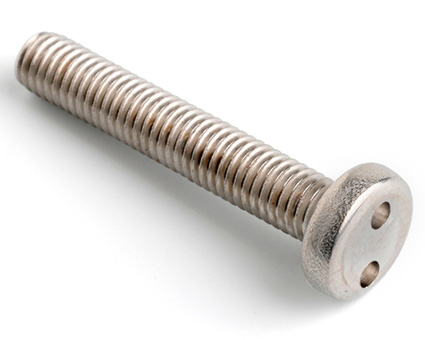
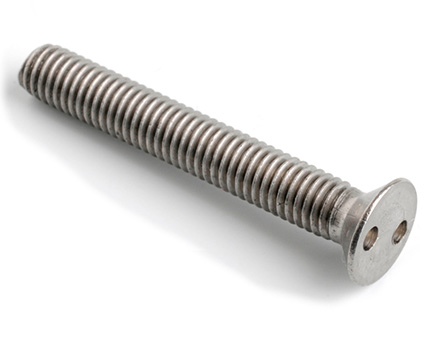
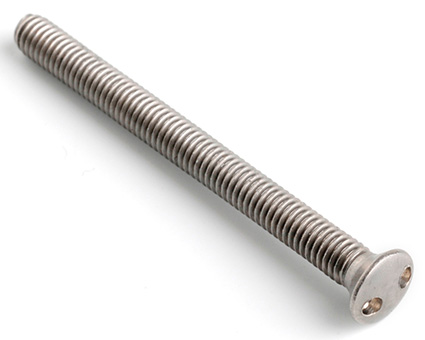
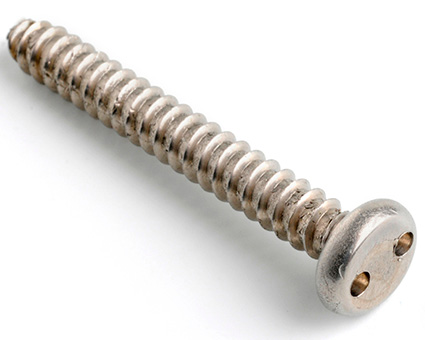
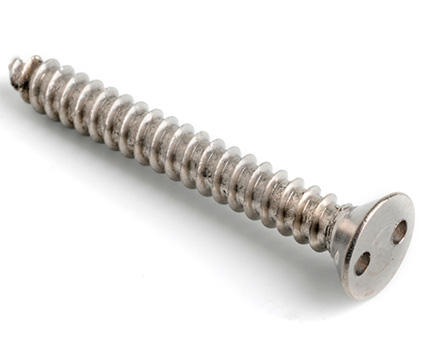
Security Screws
Security Screws are fasteners designed to prevent unauthorised removal, tampering, or vandalism. Instead of a standard drive recess, most items in this range use a pin-in-recess drive — a raised pin sits in the centre of the recess so that a standard Pozi, Phillips, hex or Torx-style driver cannot get purchase, and only a matching security bit will engage. The range covers three drive families — Hexalobular + Pin, Hex Socket + Pin, and 2Hole — across button, countersunk and raised countersunk head styles, in both machine-thread and self tapping forms, plus a standalone Shear Nut fixing.
Materials
Security Screws are available in A2 (304-equivalent) and A4 (316-equivalent) stainless steel, giving good general corrosion resistance (A2) or enhanced resistance for marine, coastal and washdown environments (A4).
Hexalobular + Pin Security Screws
This is the widest drive family in the range, covering Hexalobular + Pin Button, Countersunk and Raised Countersunk Security Screws for fixing into a pre-tapped hole or nut, alongside Hexalobular + Pin Button Self Tapping and Countersunk Self Tapping Security Screws, which form their own thread as they're driven into a pre-drilled hole rather than requiring a tapped or nutted fixing. Hexalobular + Pin Security Barrel Nuts are the matching nut-side fixing for this drive family, using the same pin-in-recess principle so the joint stays tamper-resistant from both sides.
Hex Socket + Pin Security Screws
This drive family mirrors the Hexalobular + Pin range but uses a hex socket recess with a central pin. It includes Hex Socket + Pin Button, Countersunk and Raised Countersunk Security Screws for machine-thread fixings, plus Hex Socket + Pin Button Self Tapping and Countersunk Self Tapping Security Screws for direct fixing into a pre-drilled hole without a nut.
2Hole Security Screws
2Hole Security Screws use a two-pin-hole drive rather than a single central recess, engaged with a matching two-pin (spanner-style) bit. The range spans 2Hole Pan, Countersunk and Raised Countersunk Security Screws for machine-thread applications, and 2Hole Pan Self Tapping and Countersunk Self Tapping Security Screws for direct fixing without a pre-formed thread.
Shear Nuts
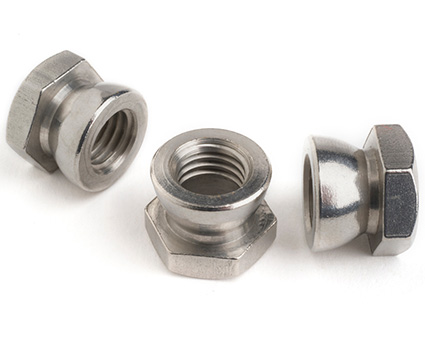
Shear Nuts work on a different principle to the pin-drive screws above. They're installed with a standard hex head or socket, tightened to a pre-set torque, and the head then shears cleanly away from the body, leaving a smooth, domed cap with no drive feature for a wrench or bit to grip. This makes them a one-way security fixing, commonly used alongside security screws on the same installation.
FAQs
What actually makes a screw a "security" screw?
The defining feature is a drive recess that a standard tool can't engage — typically a pin sitting in the centre of a hexalobular or hex socket recess, or a two-pin-hole pattern instead of a single recess. A standard driver either can't reach the base of the recess (blocked by the pin) or has nothing to locate against (2Hole), so removal requires the matching security bit or wrench key.
What's a Shear Nut, and how is it different from the pin-drive security screws?
A Shear Nut isn't a pin-drive fixing at all — it's tightened conventionally with a hex tool, but once it reaches its shear torque the head snaps off, leaving no drive feature behind. Where Hexalobular + Pin, Hex Socket + Pin and 2Hole screws rely on a recess a standard tool can't engage, a Shear Nut relies on there being no recess left to engage once installed.
What's the difference between the machine-thread and self tapping versions?
Machine-thread security screws (e.g. Hexalobular + Pin Countersunk Security Screws) are designed to fix into a pre-tapped hole or a nut, such as the matching Security Barrel Nuts. Self tapping versions (e.g. Hex Socket + Pin Button Self Tapping Security Screws) form their own thread as they're driven into a pre-drilled, untapped hole, so no separate nut or tapping operation is needed.
Do I need a special tool to install or remove these screws?
Yes — each pin-drive family needs its matching bit or wrench key: Hexalobular + Pin, Hex Socket + Pin, and 2Hole screws each require a bit or key cut to that specific profile, available in the Drive Bits and Wrench Keys range. Shear Nuts only need a standard hex tool for installation, but cannot be removed conventionally once sheared.