-
Standard Range: Metric M1.0 > M52, Inch Oun > 2"
-
E-CATALOGUE


STAINLESS STEEL HEXAGONS
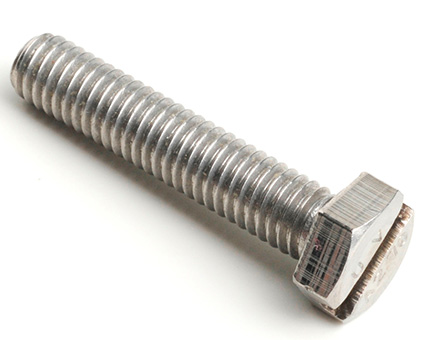
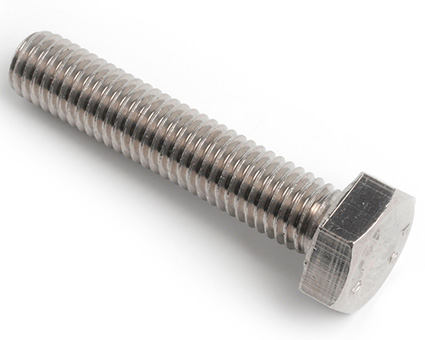
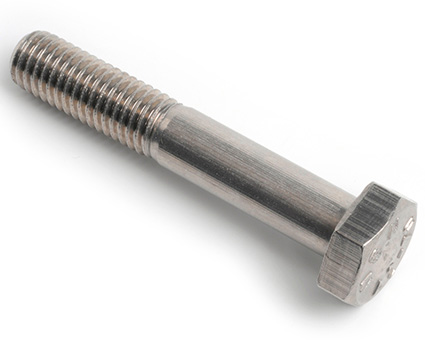
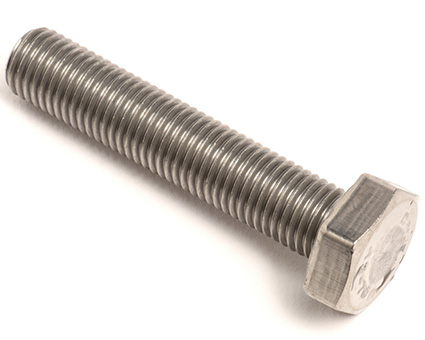
Hexagons
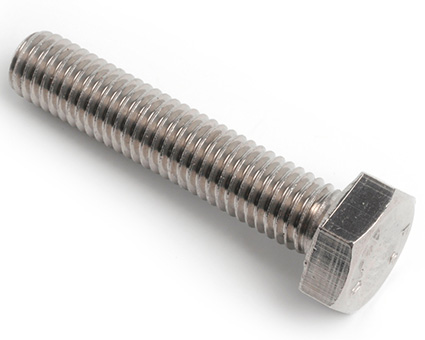
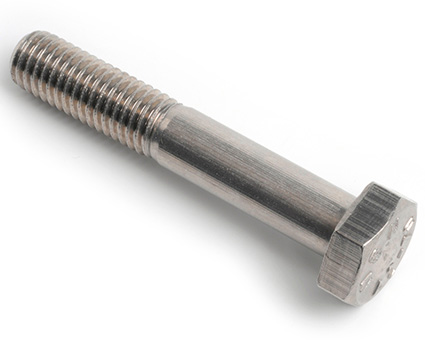
"Hexagon" fasteners take their name from the six-sided head or flats used to drive them with a spanner or socket. PTS's Hexagons range covers standard hexagon set screws and bolts, carriage bolts, flanged bolts, coach screws and fine-thread variants, in both plain and specialist head forms. Following PTS's own naming convention, "Hexagon Head Set Screws" refers to fully threaded fasteners (DIN 933 / ISO 4017), while "Hexagon Head Bolts" refers to partially threaded fasteners with a plain, unthreaded shank under the head (DIN 931 / ISO 4014) — a distinction that matters when specifying a fastener for a clamped joint (see FAQs).
Materials
Hexagon fasteners are available in A2 and A4 stainless steel, covering general engineering and marine or higher-corrosion environments respectively.
Set Screws and Bolts
Hexagon Head Set Screws (fully threaded, DIN 933 / ISO 4017) and Hexagon Head Bolts (part threaded, DIN 931 / ISO 4014) form the core of the range, stocked under both the general DIN reference and the equivalent Hexagon Head Set Screws ISO 4017 and Hexagon Head Bolts ISO 4014 references. Slotted Hexagon Head Set Screws DIN 933SZ add a slot across the head so the screw can also be driven or locked with a screwdriver or wire, while Fine Thread Hexagon Set Screws DIN 961 use a finer thread pitch than the standard coarse pitch, giving finer adjustment and often improved resistance to vibration loosening.
Carriage Bolts
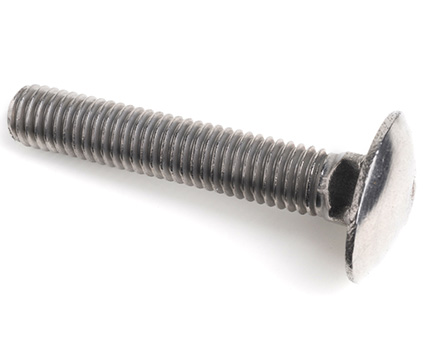
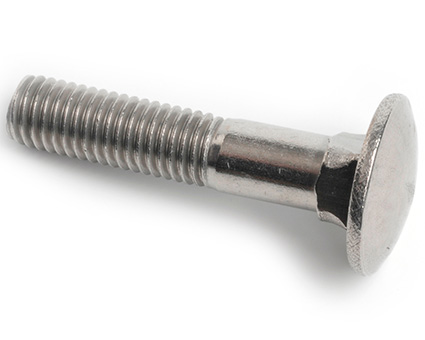
Carriage Bolts Full Thread and Carriage Bolts Part Thread have a smooth domed head and a square section directly under the head, which bites into a matching square or pre-formed hole as the nut is tightened. This means a carriage bolt can be tightened from the nut side alone, without needing to hold the head with a second tool — useful for fixings such as timber-to-timber joints and fencing.
Flanged Bolts
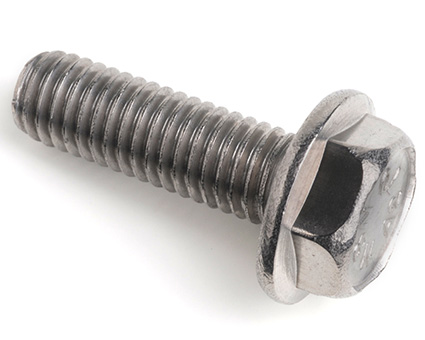
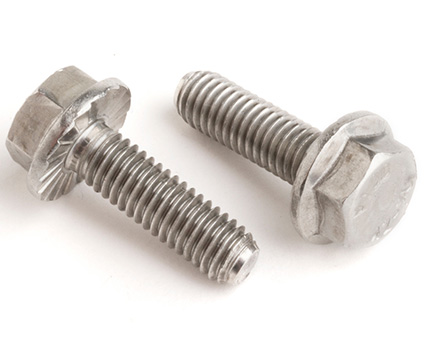
Flanged Hexagon Bolts DIN 6921 have an integral flange under the head that performs the same job as a separate washer, spreading the clamping load over a wider bearing area and reducing the risk of the head pulling into a softer material. Serrated Flanged Hexagon Bolts DIN 6921 add ridges to the underside of the flange, which bite into the mating surface for extra resistance to loosening under vibration.
Coach Screws
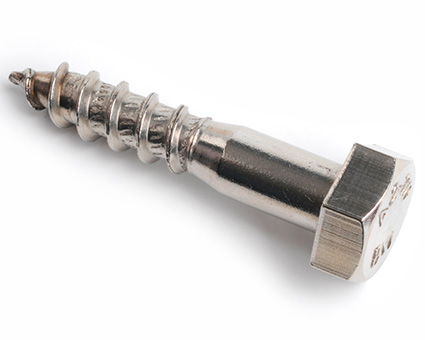
Hexagon Head Coach Screws have a hexagon head like a bolt but a sharp, wood-screw-style thread instead of a machine thread, designed to be driven directly into a pre-drilled pilot hole in timber rather than used with a nut.
FAQs
What's the difference between a Hexagon Head Set Screw and a Hexagon Head Bolt?
In PTS's naming, following common UK fastener industry convention, a Hexagon Head Set Screw is threaded along its full length, while a Hexagon Head Bolt has a plain, unthreaded shank under the head with the thread only on the lower portion. The plain shank on a bolt sits in the clearance hole rather than the thread, giving a more accurate shear fit and avoiding thread wear inside the joint. A set screw is generally preferred where maximum thread engagement is needed or the joint is thin.
What is a carriage bolt used for, and why doesn't it need a spanner on the head?
A carriage bolt is designed for timber and thin-sheet assemblies where access to the head side is difficult or the head needs to sit flush against a finished surface. The square section under the domed head bites into a matching hole as the nut is tightened, stopping the bolt from spinning, so the whole fixing can be tightened from the nut side with a single tool. This makes carriage bolts a common choice for fencing, decking and general timber construction.
Why choose a flanged hexagon bolt instead of a standard bolt with a separate washer?
A flanged bolt combines the bearing area of a washer into the fastener itself, reducing the number of separate components to pick, stock and fit, and removing the risk of a washer being left out or spinning loose in service. It's particularly useful in high-volume assembly where reducing part count speeds up the build. The serrated flange version adds locking performance under vibration, similar to a washer with serrated teeth, without needing a separate part.
Are Hexagon Head Coach Screws the same as a bolt?
No. A coach screw has a hexagon head like a bolt so it can be driven with a spanner or socket, but its thread is a sharp wood-screw thread rather than a machine thread, and it's driven into a pre-drilled pilot hole in timber rather than fastened with a nut. They're typically used where a coarse, self-tapping fixing into wood is needed but a hex head is preferred over a screw-slot head for driving with power tools.