-
Standard Range: Metric M1.0 > M52, Inch Oun > 2"
-
E-CATALOGUE



STAINLESS STEEL RIVETS AND NUTSERTS
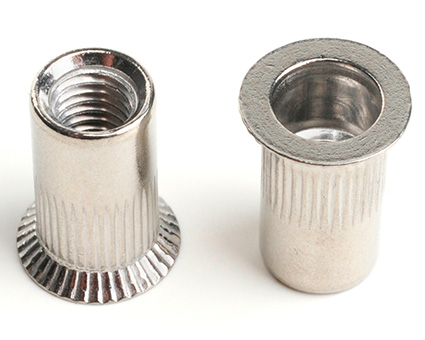
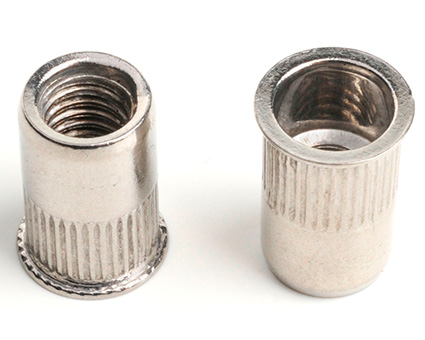
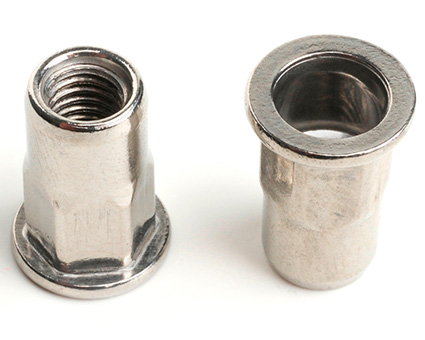
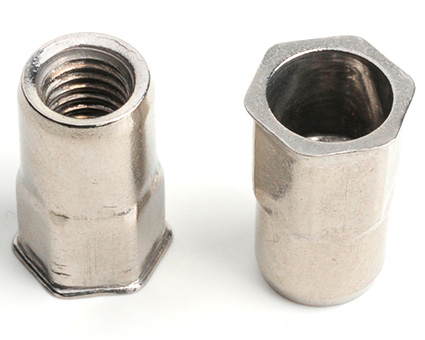
Rivets and Nutserts
Rivets and Nutserts are both used to join or fix materials, but they work in fundamentally different ways: a rivet forms a permanent, non-threaded mechanical joint by deforming a tail on the blind side of the material, while a nutsert (insert nut) is fitted into a hole to provide a permanent, reusable internal thread in thin or soft material that couldn't otherwise support a tapped thread. PTS's range covers blind rivets, solid rivets, and knurled and half-hex insert nuts.
Blind Rivets
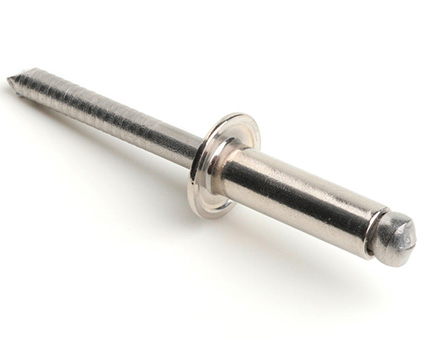
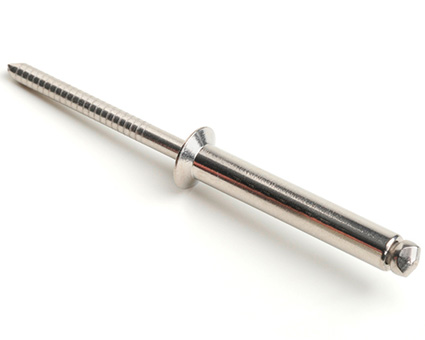
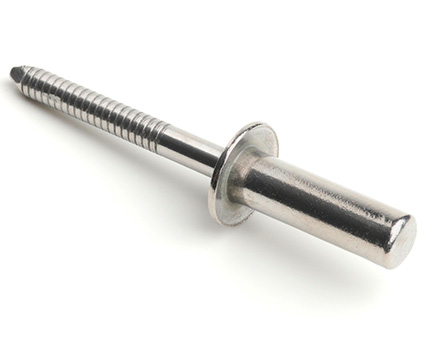
Dome Rivets ISO 15983, Countersunk Rivets ISO 15984 and Sealed Dome Rivets ISO 16585 are blind (pop) rivets, fitted from one side of the material using a rivet gun that draws the mandrel through to expand the rivet body. Dome and countersunk versions differ only in head shape, while the Sealed Dome Rivet has a closed-end construction that prevents the mandrel breaking through into the joint, useful where a moisture or pressure-tight seal is needed.
Solid Rivets
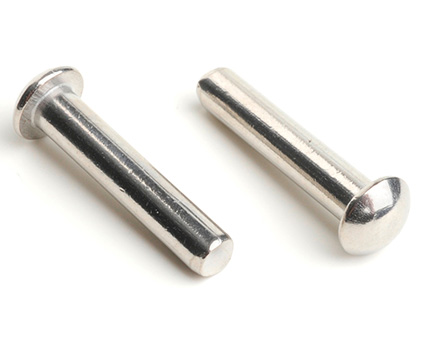
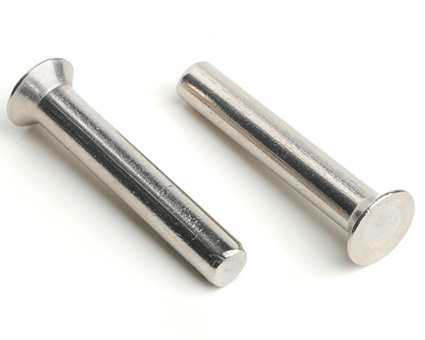
Round Head Solid Rivets DIN 660 and Countersunk Head Solid Rivets DIN 661 are traditional solid-shank rivets, fitted from both sides of the joint and formed by hammering or pressing the tail end over to create a second head. They require access to both sides of the material, unlike blind rivets, but form an extremely robust permanent joint.
Knurled Insert Nuts
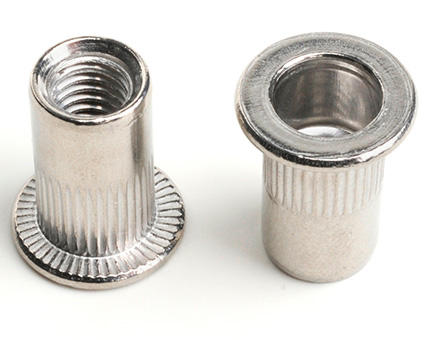
Flat Head Knurled Insert Nuts, Countersunk Knurled Insert Nuts and Reduced Countersunk Knurled Insert Nuts are nutserts with a knurled (serrated) outer surface that bites into the surrounding material as the insert is fitted, resisting the insert spinning in the hole once a bolt is tightened into it.
Half Hex Insert Nuts
Flat Head Half Hex Insert Nuts and Reduced Countersunk Half Hex Insert Nuts use a partially hexagonal outer profile instead of knurling to resist rotation, with the flat faces of the hex biting into the hole edge or a matching keyway in the material.
FAQs
What's the difference between a rivet and a nutsert?
A rivet forms a permanent, non-threaded mechanical joint by deforming to clamp two or more layers of material together. A nutsert (insert nut) is fitted into a single hole to provide a permanent internal thread, allowing a bolt to be fitted and removed repeatedly in material that's too thin or soft to be tapped directly.
What's the difference between a dome and a countersunk rivet head?
A dome-head rivet sits proud of the material surface once fitted, giving a rounded profile and slightly higher pull-through resistance. A countersunk rivet sits flush with the material surface, which requires a countersunk hole but gives a smoother finish where protrusion isn't wanted.
How do knurled and half-hex insert nuts resist rotation differently?
A knurled insert nut has a serrated outer surface that digs into the wall of the hole it's fitted into, relying on that surface texture to stop the insert spinning when a bolt is torqued into it. A half-hex insert nut instead uses flat faces on part of its circumference, which bite into the hole edge or sit in a matching flat-sided recess, giving a more positive mechanical resistance to rotation than knurling alone.
What does "sealed" mean on the Sealed Dome Rivet ISO 16585?
A sealed dome rivet has a closed-end body, so the mandrel does not break through the far side of the rivet during setting. This keeps the joint free from the small hole a standard blind rivet leaves, which matters where the fixing needs to resist moisture or pressure ingress.