-
Standard Range: Metric M1.0 > M52, Inch Oun > 2"
-
E-CATALOGUE



STAINLESS STEEL CHIPBOARD SCREWS
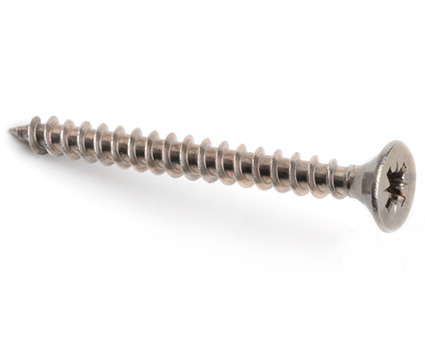
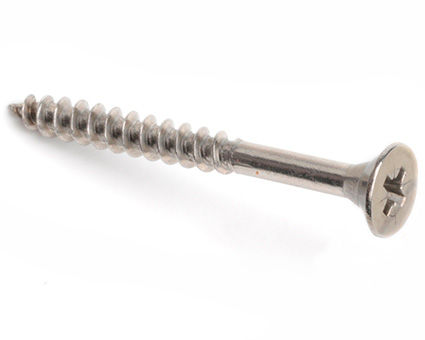
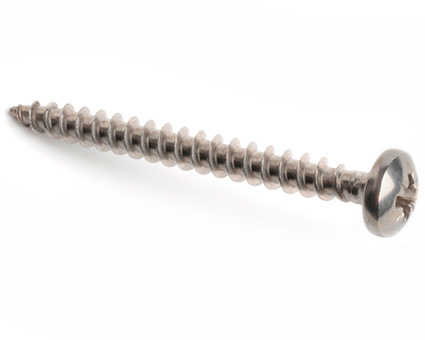
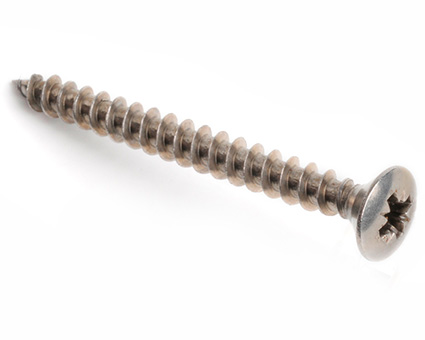
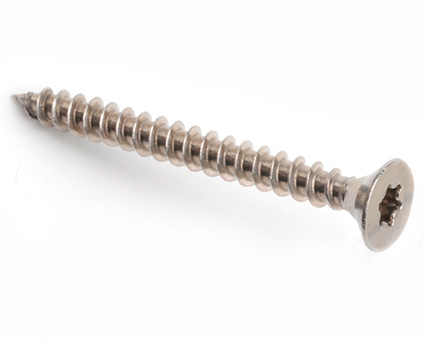
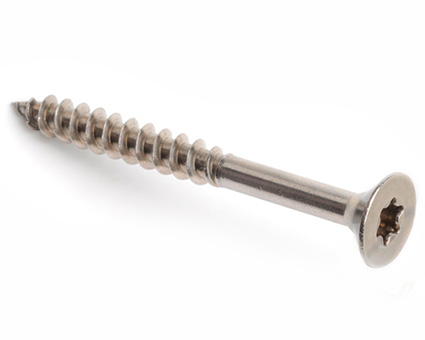
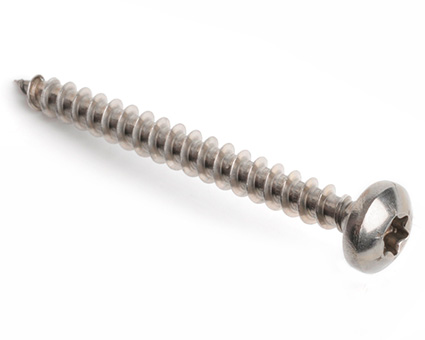
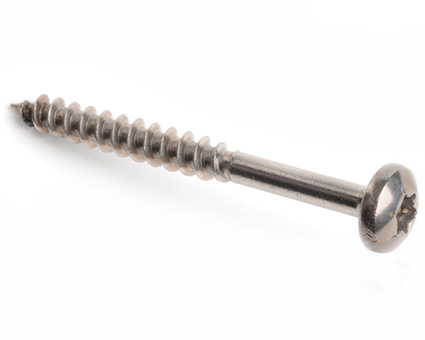
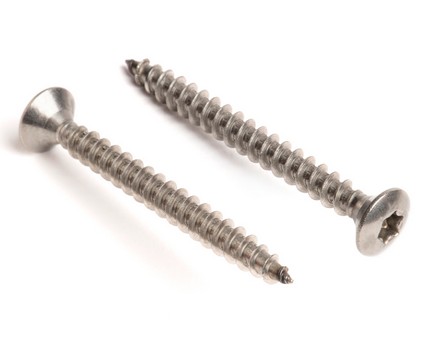
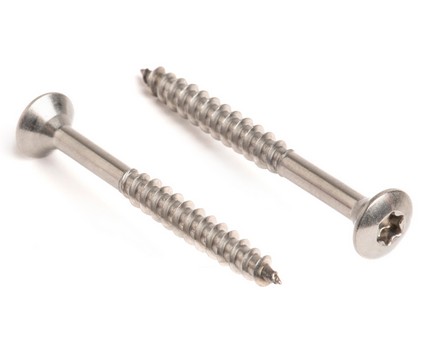
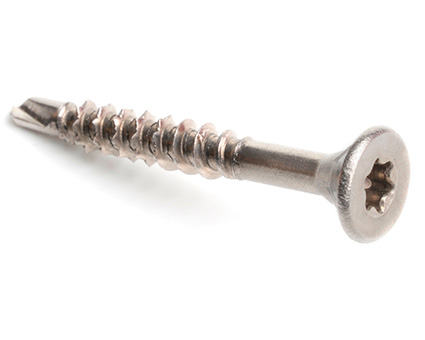
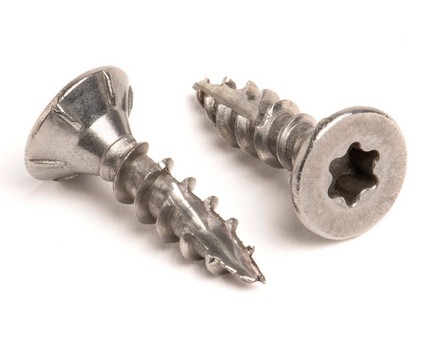
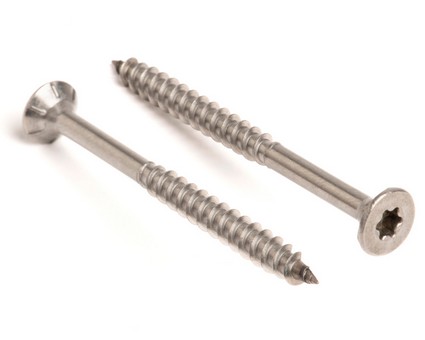
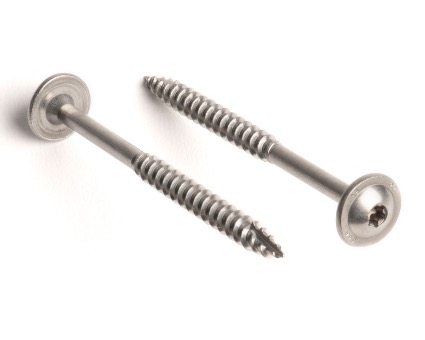
Chipboard Screws
Chipboard Screws are a category of woodscrew engineered specifically for man-made boards such as chipboard, MDF and particle board. Compared with a standard woodscrew, they use a deeper, sharper thread profile designed to grip the compressed wood particles and resin that make up these boards, rather than the solid wood fibres a standard woodscrew is cut for.
Materials
Chipboard Screws in this range are manufactured in stainless steel, providing corrosion resistance for furniture, fitting and construction applications where plain carbon-steel screws would be prone to staining or rusting.
Countersunk Chipboard Screws
The Pozi Countersunk Chipboard Screws, Pozi Countersunk Chipboard Screws Full Thread, Hexalobular Countersunk Chipboard Screws and Hexalobular Countersunk Chipboard Screws Full Thread have a flat tapered head that sits flush with the board surface, suited to general flat-pack, carcassing and panel assembly work.
Raised Countersunk Chipboard Screws
The Pozi Raised Countersunk Chipboard Screws Full Thread, Hexalobular Raised Countersunk Chipboard Screws and Hexalobular Raised Countersunk Chipboard Screws Full Thread sit slightly proud of the board once driven, giving a more finished, visible fixing.
Pan Head Chipboard Screws
The Pozi Pan Chipboard Screws Full Thread, Hexalobular Pan Chipboard Screws and Hexalobular Pan Chipboard Screws Full Thread have a domed head sitting above the board surface, often used where the screw isn't intended to be countersunk or hidden.
Self Drill and Cutting Tip Chipboard Screws
The Hexalobular Countersunk Self Drill Chipboard Screws include a drill point for fixing directly into thin metal as well as board material. The Hexalobular Countersunk Cutting Tip Chipboard Screws and Hexalobular Countersunk Cutting Tip Chipboard Screws Full Thread have a nib below the point that pre-cuts a channel ahead of the thread, reducing the risk of the board splitting as the screw is driven.
Flanged Button Timber Screws
The Hexalobular Flanged Button Timber Screws with Cutting Tip combine a wide flanged head, giving extra bearing area without a separate washer, with the same cutting-tip point used to reduce splitting on entry.
FAQs
Why not just use a standard woodscrew in chipboard or MDF?
A standard woodscrew's thread is cut for solid timber fibres and can strip out of the compressed particles in chipboard or MDF, particularly on repeated use or under load. Chipboard screws use a deeper, sharper thread specifically designed to bite into and hold in these man-made boards.
What's the difference between full thread and part thread?
A full thread chipboard screw is threaded along its entire length, giving grip through a single thickness of board, such as fixing a panel to a frame. A part thread screw has a plain, unthreaded shank below the head, which lets it draw two pieces of material together tightly as it's driven, similar to how a countersunk woodscrew clamps a fitting to a base.
What does a cutting tip do?
A cutting tip is a small nib formed just below the point of the screw that scores or cuts a channel ahead of the main thread. This reduces the outward pressure on the board as the screw enters, lowering the risk of splitting or blowing out the edge of chipboard, MDF or similar man-made boards.