-
Standard Range: Metric M1.0 > M52, Inch Oun > 2"
-
E-CATALOGUE



STAINLESS STEEL SOCKET SCREWS
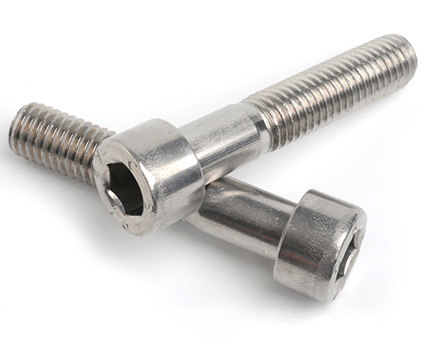
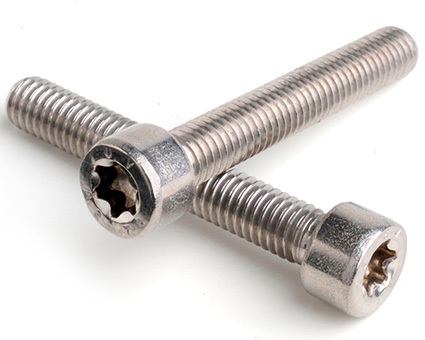
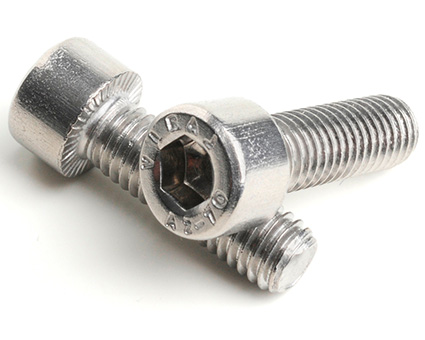
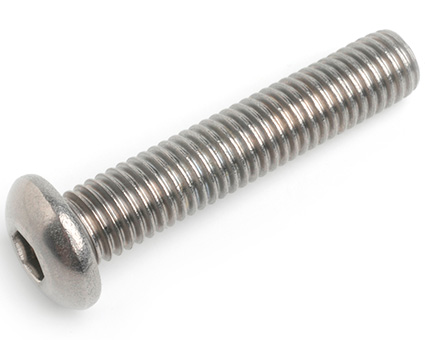
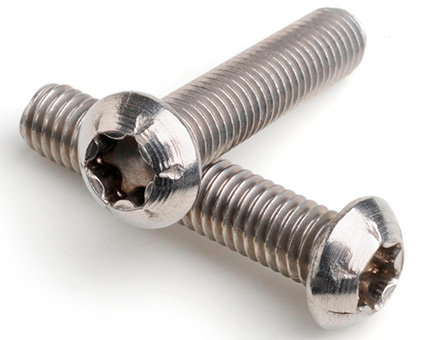
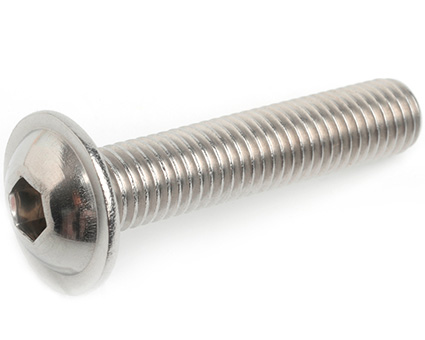
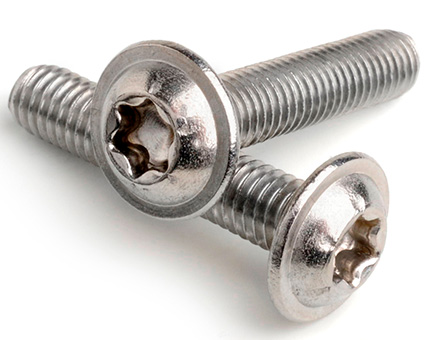
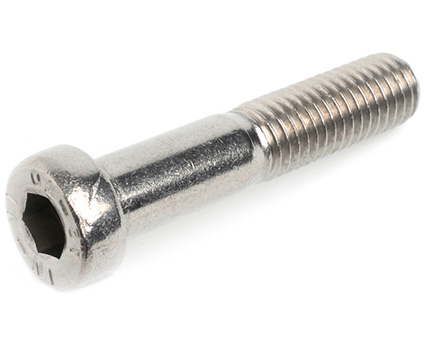
Socket Screws
A Socket Screw is driven using an internal recess in the head rather than a slot or external flats, giving higher torque capacity than a slotted screw of the same size and allowing the head to sit flush or below the work surface. PTS stocks socket screws with both hexagon socket and hexalobular (six-lobe, similar to Torx) drives, across cap, button, low head, countersunk and set screw head styles. Because the drive is recessed, socket screws are the standard choice in machine building, jigs and fixtures, and anywhere a clean, low-profile head is needed.
Materials
Socket screws are available in A2 (304-equivalent) and A4 (316-equivalent, marine grade) stainless steel, giving corrosion resistance suited to general engineering and outdoor or washdown environments respectively, without the need for plating or additional surface treatment.
Cap Screws
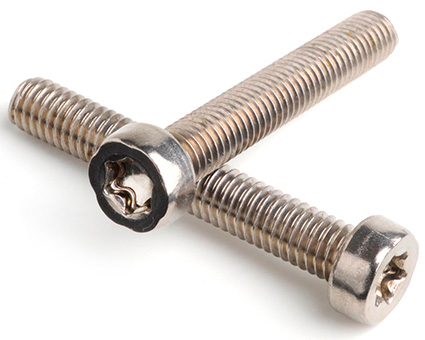
Socket Cap Screws are the standard fully cylindrical head style, offering the largest bearing surface and highest strength-to-size ratio in the range. They're available with a Hexalobular Cap Screws ISO 14579 drive as an alternative to the standard hex socket, and with serration under the head (Socket Cap Screws with Serration) where extra resistance to loosening under vibration is needed.
Button and Flanged Button Screws
Socket Button Screws and their Hexalobular Button Screws ISO 7380-1 equivalent have a shallower, domed head that sits lower and looks neater than a cap screw, at the cost of some strength. Flanged Socket Button Screws ISO 7380-2 and Flanged Hexalobular Button Screws ISO 7380-2 add an integral flange under the head, spreading the load over a wider area and removing the need for a separate washer.
Low Head Cap Screws
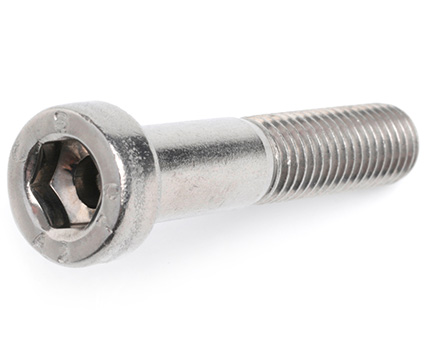
Where clearance above the joint is limited, Low Head Socket Cap Screws and Hexalobular Low Head Cap Screws ISO 14580 use a shorter head than a standard cap screw. Low Head Socket Cap Screws with Pilot Recess DIN 6912 go a step further, combining a reduced head height with a pilot recess for spigot location, useful in gearboxes and precision assemblies where the fastener also helps register two parts.
Countersunk Screws
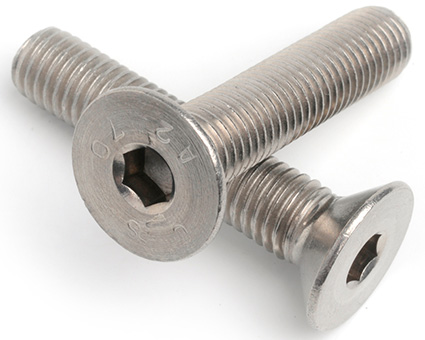
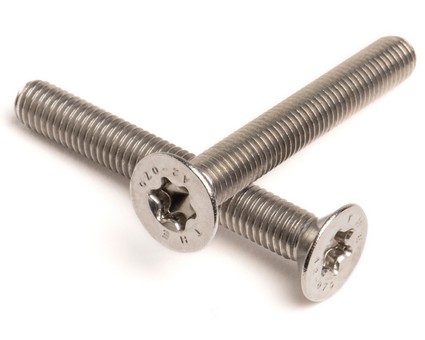
Socket Countersunk Screws and Hexalobular Countersunk Screws ISO 10642 have an angled underhead that sits flush with the surface when fitted into a matching countersunk hole, giving a completely flat finish. These are typically used where a projecting head would interfere with another moving part or a finished surface.
Set Screws (Grub Screws)
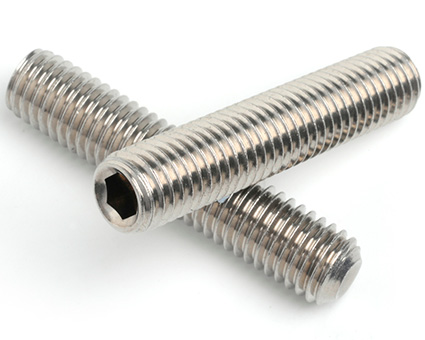
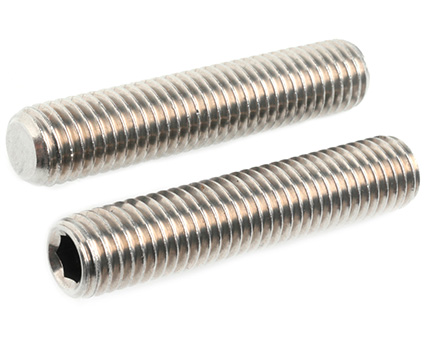
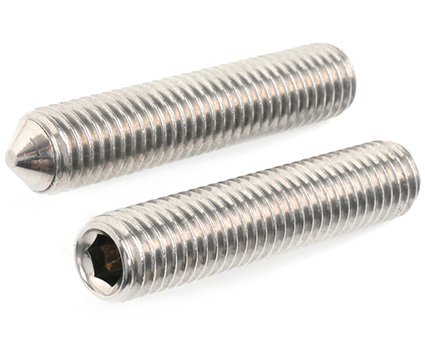
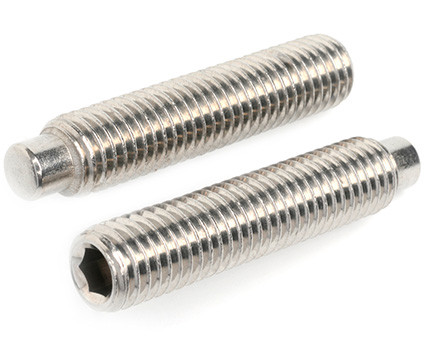
Socket Set Screws are headless fasteners driven by a hex socket at one end, used to lock one component to another — commonly a collar, pulley or gear to a shaft — without a projecting head. PTS stocks four point types: Cup Point, Flat Point, Cone Point and Dog Point, each suited to a different fixing method (see FAQs below).
FAQs
What's the difference between a hex socket drive and a hexalobular (Torx-type) drive?
A hex socket uses a six-sided recess driven with an Allen key or hex bit, while a hexalobular drive uses a six-lobed star-shaped recess driven with a matching bit. Hexalobular drives give better contact with the driver, reducing cam-out and rounding under high torque, which is why they're increasingly specified on automated and high-volume assembly lines. Hex socket remains the more common choice for general engineering because hex keys are cheaper and more widely available than hexalobular bits.
Which grub screw point type should I use — cup, flat, cone or dog?
Cup Point is the most widely used general-purpose option: its rim bites into the shaft for a secure grip while allowing some adjustment. Flat Point is used where the shaft has already been marked or dimpled, or where minimal marking of the shaft surface is wanted. Cone Point is driven into a matching indent or hole in the shaft for the most secure, semi-permanent location. Dog Point has a small cylindrical projection that locates into a slot or hole, giving a positive, positionally accurate fixing that's harder to shift than a cup point.
Why choose a low head or countersunk socket screw instead of a standard cap screw?
Low head and countersunk styles are used where a standard cap screw's head would be too tall to clear surrounding components, covers, or moving parts. A countersunk screw goes further and sits completely flush with the surrounding surface once fitted into a matching countersunk hole. Both trade off some clamping strength compared with a full-height cap screw of the same diameter, so they're generally specified where clearance or finish matters more than maximum load.
Do stainless socket screws need any special handling to avoid seizing?
Stainless steel fasteners, including socket screws, are prone to thread galling — the threads cold-welding together during tightening — more than steel fasteners, particularly in smaller sizes or blind, tight-tolerance holes. This is a property of the stainless material itself rather than something specific to socket head fasteners. Using an anti-seize compound or a lubricated thread, and avoiding overtightening, reduces the risk.