-
Standard Range: Metric M1.0 > M52, Inch Oun > 2"
-
E-CATALOGUE



STAINLESS STEEL SELF DRILLING SCREWS
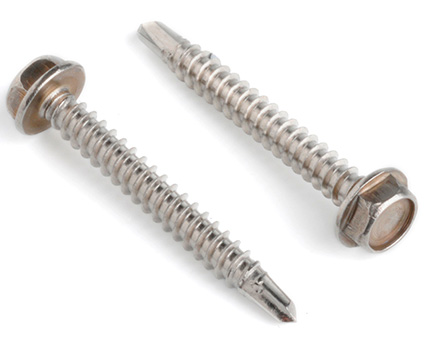
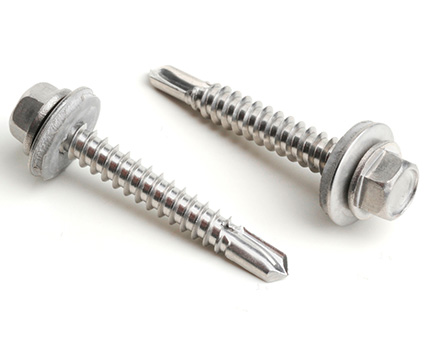
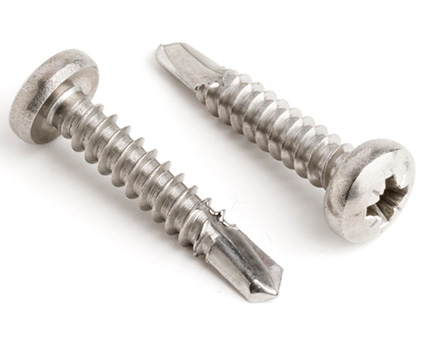
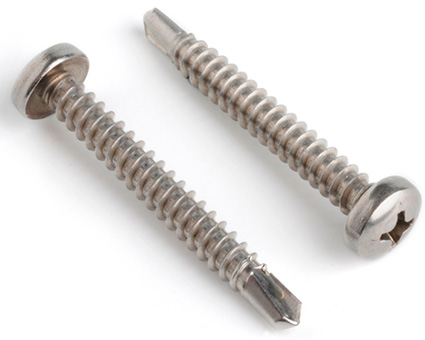
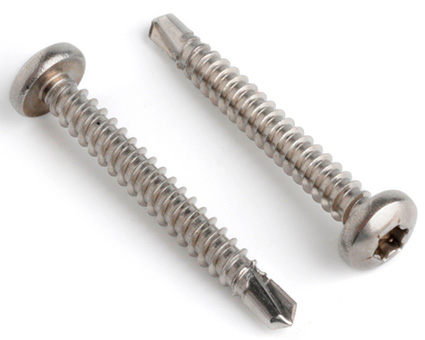
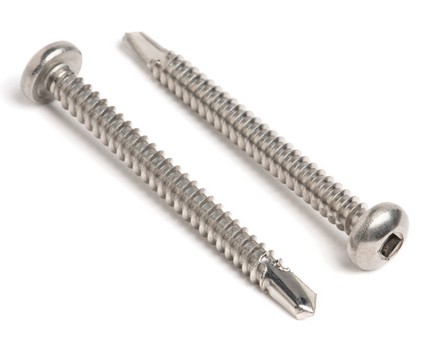
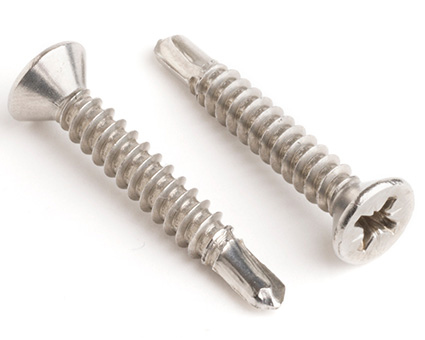
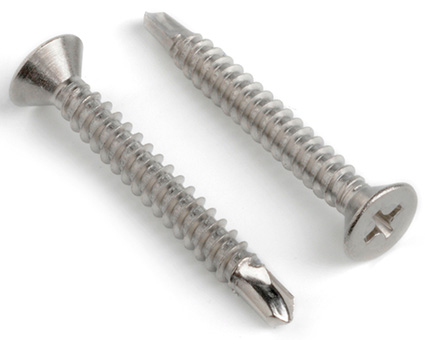
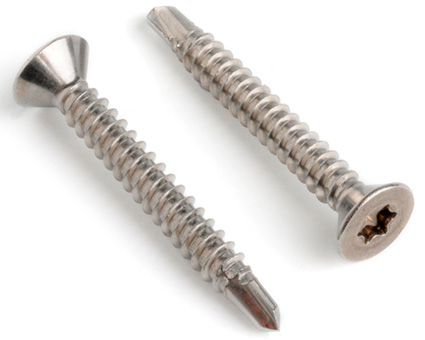
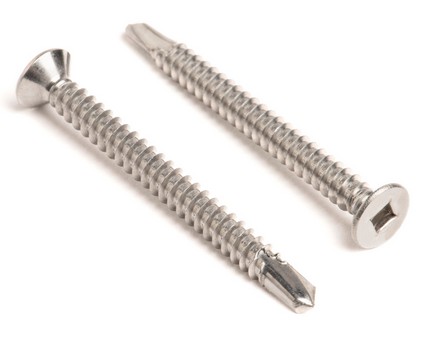
Self Drilling Screws
A Self Drilling Screw combines a drill bit and a screw thread in one fastener, cutting its own pilot hole into steel and drawing itself in without a separate drilling step. This makes them the standard choice for fixing into metal purlins, rails, cladding and light-gauge steel sections. The range covers a variety of head and drive styles to suit different fixing and finishing requirements.
Materials
Self Drilling Screws in this range are manufactured in stainless steel, giving good corrosion resistance for external and semi-exposed applications compared with plain carbon-steel alternatives.
Hexagon Head Self Drilling Screws
The Hexagon Washer Head Self Drilling DIN 7504K has an integral washer under a hexagon head, giving a wide bearing surface for fixing sheet materials without a separate washer. The Hexagon Head Self Drilling with Sealing Washer adds a bonded washer beneath the head to help weatherproof the fixing point, making it suited to roofing and external cladding work.
Pan Head Self Drilling Screws
The Pozi Pan Self Drilling DIN 7504MZ, Phillips Pan Self Drilling DIN 7504MH, Hexalobular Pan Self Drilling DIN 7504M and Square Drive Pan Self Drilling Screws DIN 7504MV share a low-profile domed head, giving a neat finish where the screw head sits proud of the surface. They differ only in drive type, so the choice generally comes down to the tooling already in use on site.
Countersunk Self Drilling Screws
The Pozi Countersunk Self Drilling DIN 7504OZ, Phillips Countersunk Self Drilling DIN 7504OH, Hexalobular Countersunk Self Drilling DIN 7504O and Square Drive Countersunk Self Drilling Screws DIN 7504OV are designed to sit flush with or below the surface once driven, suiting applications where a flat finish is needed.
FAQs
What's the difference between a self drilling screw and a self tapping screw?
A self drilling screw has a drill-point tip that cuts its own pilot hole as it's driven, so no pre-drilling is required. A self tapping screw needs a pilot hole drilled first, into which the screw then cuts or forms its own thread as it's driven in.
Can I use a self drilling screw in solid timber?
Self drilling points are designed to drill through sheet metal, not to engage deeply into solid timber. In thicker or solid wood the drill point can struggle to clear waste material and won't get the thread purchase a woodscrew is designed to provide, so a woodscrew or chipboard screw is the better choice for timber fixing.
What is the sealing washer for?
The sealing washer sits under the screw head and compresses against the fixed material as the screw is driven, closing the gap around the hole to help resist water ingress. It's particularly relevant on roofing, cladding and other external fixings where the fastener penetrates a weatherproof layer.