-
Standard Range: Metric M1.0 > M52, Inch Oun > 2"
-
E-CATALOGUE



STAINLESS STEEL CONSTRUCTION FASTENERS
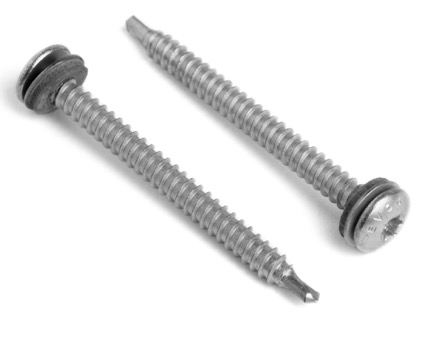
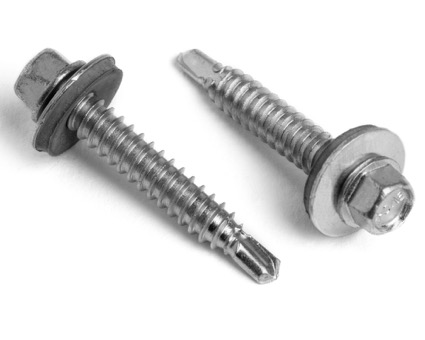
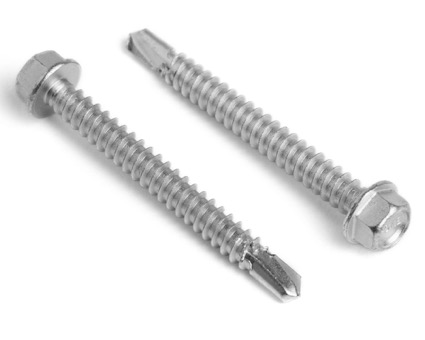
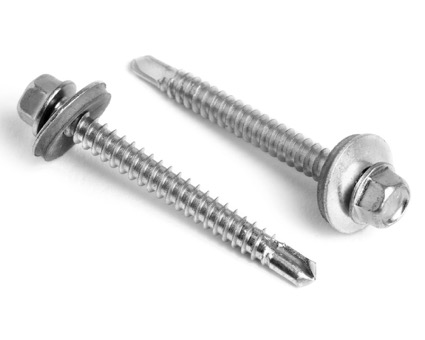
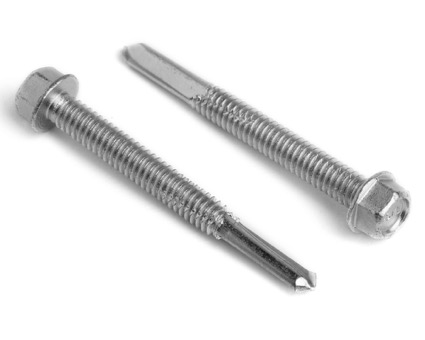
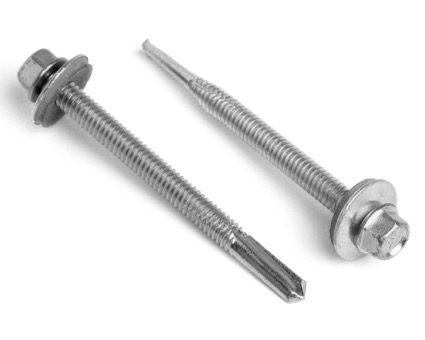
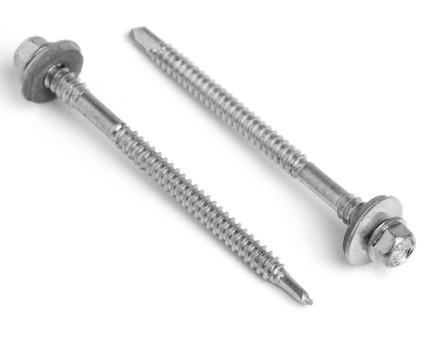
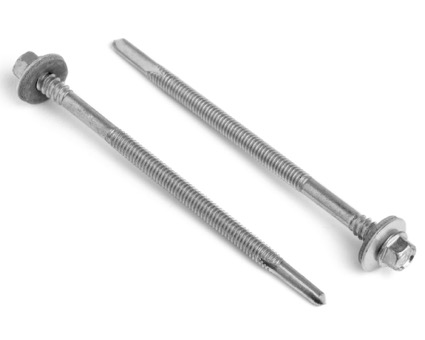
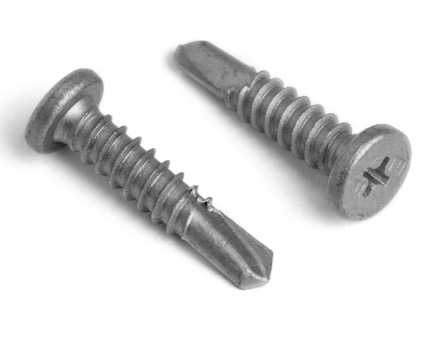
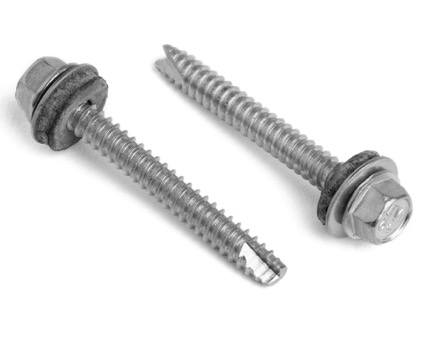
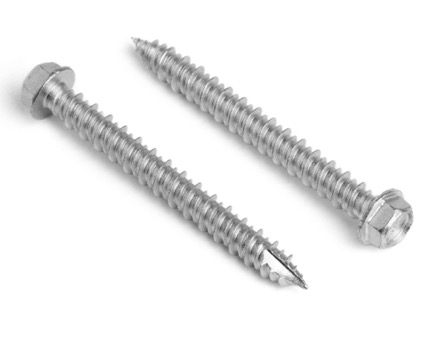
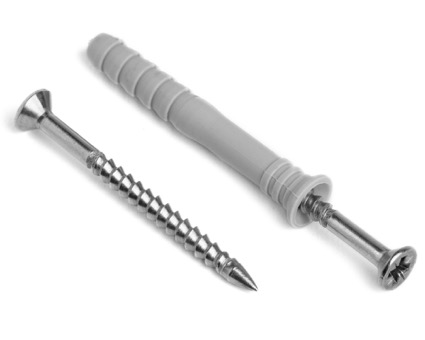

Construction Fasteners
Construction Fasteners cover the heavier-duty Bi-Metal(TM) TEK Screw(R) range from Evolution Fasteners (UK), designed for fixing into steel, timber and masonry substrates on site. Each Bi-Metal screw is made from a stainless steel head, body and thread, brazed to a hardened carbon-steel self-drilling point, combining the corrosion resistance of stainless steel with a drill point capable of penetrating steel sections that a standard stainless point can't reliably drill.
Materials
The body, head and thread of each Bi-Metal screw are stainless steel, while the drilling point itself is hardened carbon steel, brazed on to give the drilling performance needed for steel-to-steel fixing while keeping the majority of the fastener corrosion-resistant.
Decking and Timber Cutter Screws
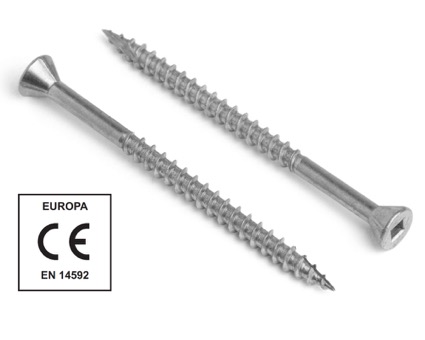
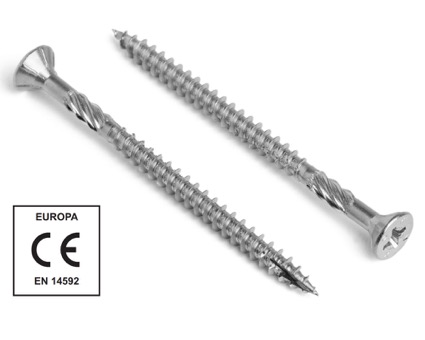
The Woodmaster Square Drive Countersunk Decking Screws and Woodmaster Pozi Countersunk Super Cutter Screws are aimed at timber fixing and decking work, using a coarse thread and sharp cutting point suited to solid wood rather than steel.
Drywall, Insulation and Stitching Screws
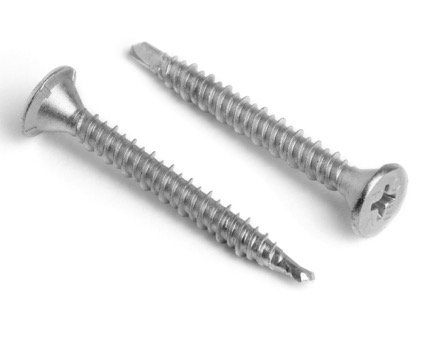
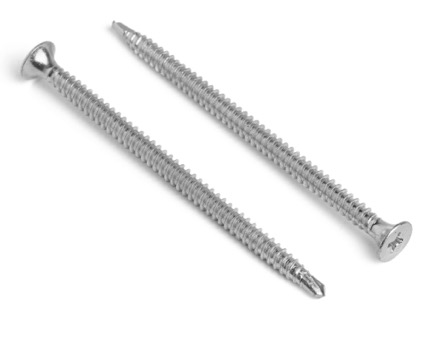
The Phillips Countersunk Bi-Metal Tek 2 Drywall Screws and Phillips Countersunk Bi-Metal Tek 2 Insulation Screws are designed for fixing plasterboard and insulation layers to light steel framing. The Hexalobular Button Bi-Metal Tek 2 Stitching Screws with 12mm Sealing Washer, Hexagon Head Bi-Metal Stitching Tek 2 Screws with 16mm Sealing Washer and Hexagon Head Bi-Metal Tek 2 Halter Fixing Screws with 16mm Sealing Washer are used for stitching overlapping sheets of steel cladding together and for halter fixings, with a sealing washer to help weatherproof the fixing point.
Tek 3 and Tek 5 Structural Screws
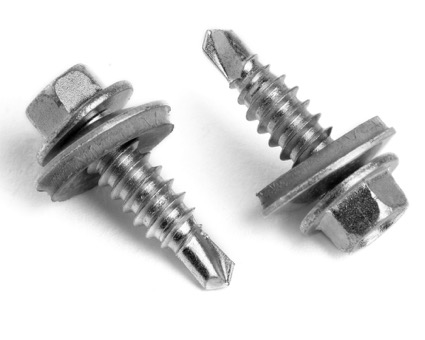
The Hexagon Head Bi-Metal Tek 3 Screws and Hexagon Head Bi-Metal Tek 5 Screws, each available plain or with a 16mm Sealing Washer, are the core structural steel-to-steel fixing options in the range, with the Tek 5 point designed to drill through thicker steel sections than the Tek 3.
Composite Panel and Metal Framing Screws
The Hexagon Head Bi-Metal Composite Panel Tek 3 Screws with Sealing Washer and Hexagon Head Bi-Metal Composite Panel Tek 5 Screws with 16mm Sealing Washer are intended for fixing composite roof and wall panels back to steel purlins. The Phillips Pan Bi-Metal Metal Framing Tek 3 Screws are suited to light-gauge steel framing assembly.
Timber Wing Drill Tek Screws
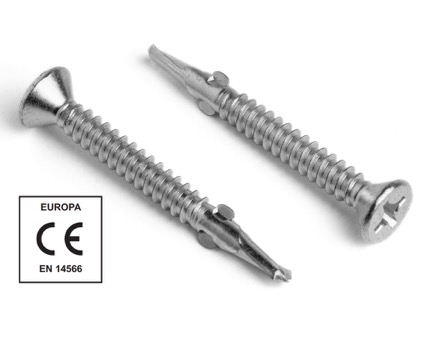
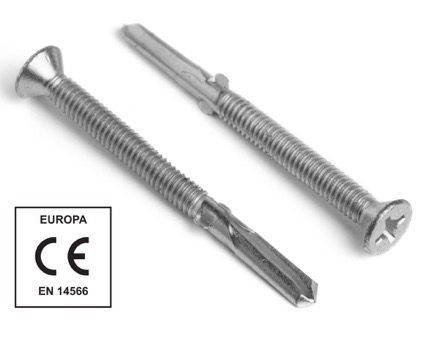
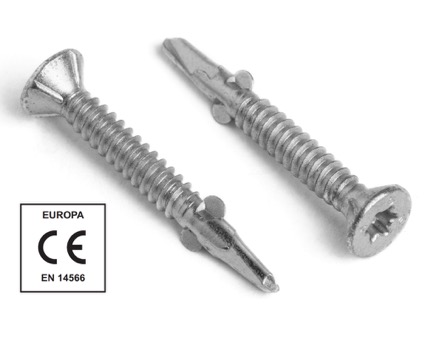
The Phillips Countersunk Bi-Metal Wing Drill Timber Tek 3 Screws, Phillips Countersunk Bi-Metal Wing Drill Timber Tek 5 Screws and Hexalobular Countersunk Bi-Metal Wing Drill Timber Tek 3 Screws are designed for fixing timber battens or sections through to steel, using wings below the drill point that cut a clearance hole through the timber before snapping off as the point engages the steel.
Masonry Fixings and Accessories
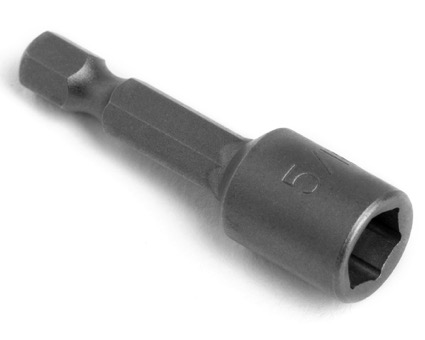
The Hexagon Head Bi-Metal Multifix Masonry Screws and Pozi Countersunk Hammerfix Screws with Nylon Plug provide two different approaches to fixing into masonry, alongside the Hexagon Head Self Tapping BT Screws with 16mm Sealing Washer for general self tapping fixing needs. The Magnetic Hexagon Nut Driver is a driving accessory for use with the hexagon head screws across the range.
FAQs
What does "Bi-Metal" mean on these screws?
Bi-Metal construction refers to a stainless steel head, body and thread brazed to a separate, hardened carbon-steel self-drilling point. The stainless portion gives the corrosion resistance needed for external and long-term use, while the carbon-steel point provides the hardness required to drill through steel sections.
What's the difference between Tek 2, Tek 3 and Tek 5?
Tek 2, Tek 3 and Tek 5 refer to the drilling capability of the point, with each number indicating progressively greater capacity to drill through thicker steel sections. Tek 2 points are generally used for the lightest gauge steel and fixings such as drywall or insulation, while Tek 3 and Tek 5 points step up to heavier structural steel fixing, so the right point is chosen to match the steel thickness being drilled rather than by head or drive type alone.
Why doesn't a Multifix masonry screw need a wall plug, but a Hammerfix does?
The Multifix Masonry Screw has a thread designed to cut directly into a pre-drilled hole in masonry, tapping its own grip into the material without needing a plastic plug. The Hammerfix Screw with Nylon Plug instead relies on a separate nylon plug inserted into the hole first, which expands as the screw is driven or hammered in, providing the grip that the screw thread alone wouldn't achieve in that fixing method.