-
Standard Range: Metric M1.0 > M52, Inch Oun > 2"
-
E-CATALOGUE



STAINLESS STEEL MACHINE SCREWS
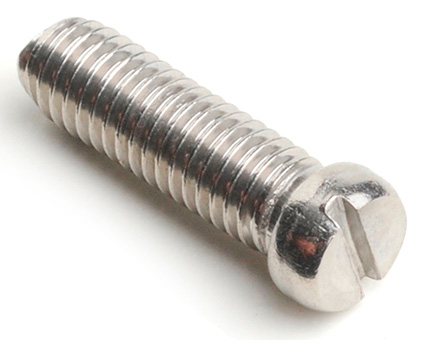
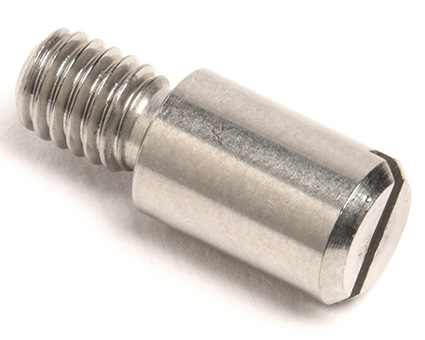
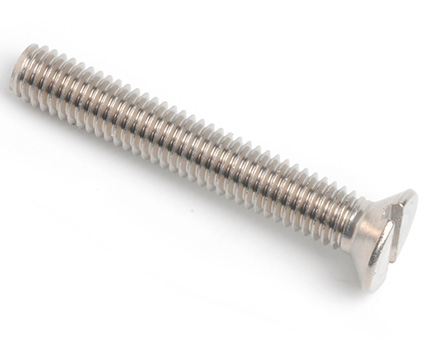
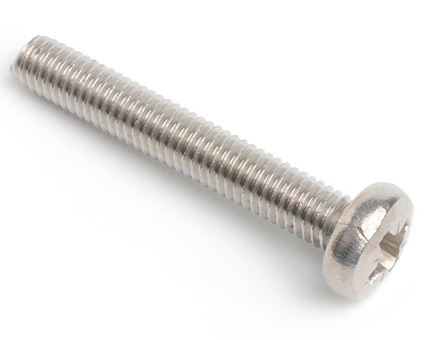
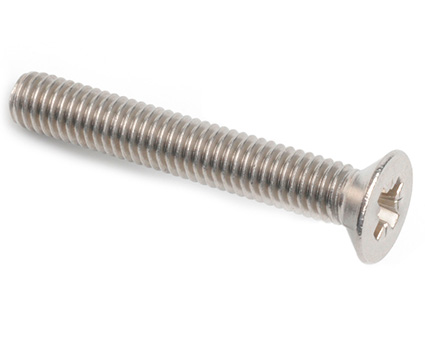
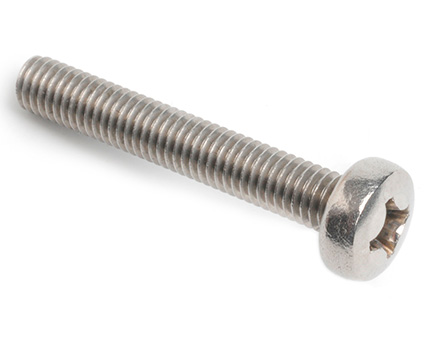
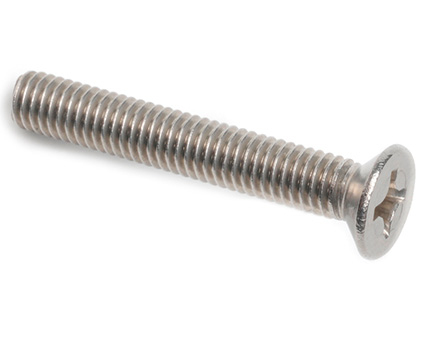
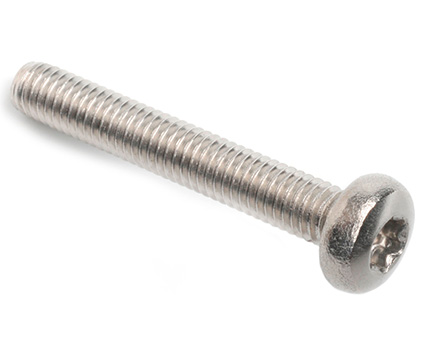
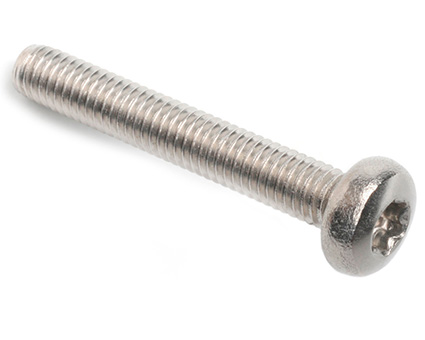
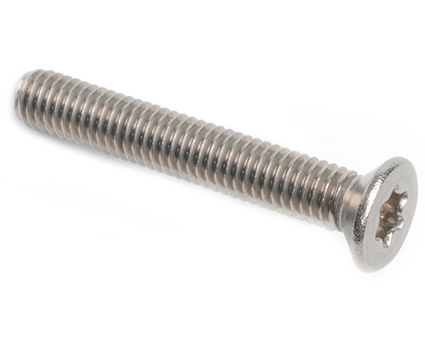
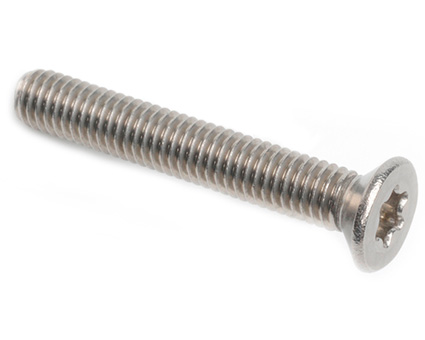
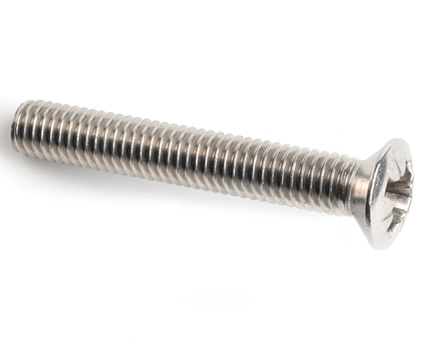
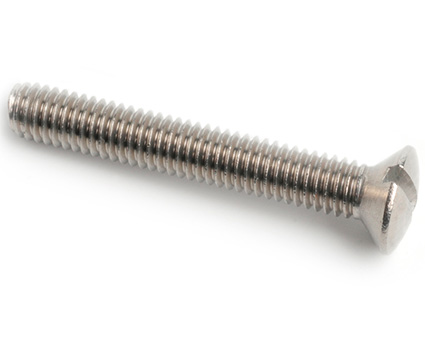
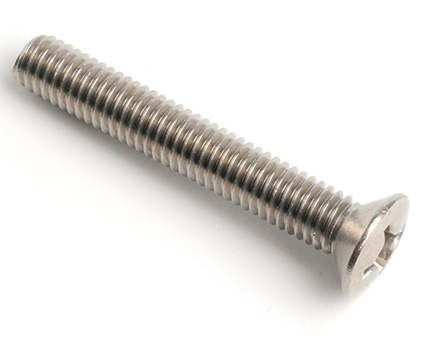
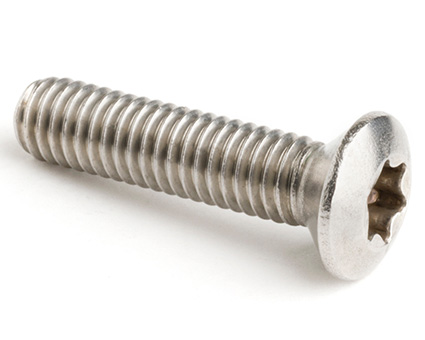
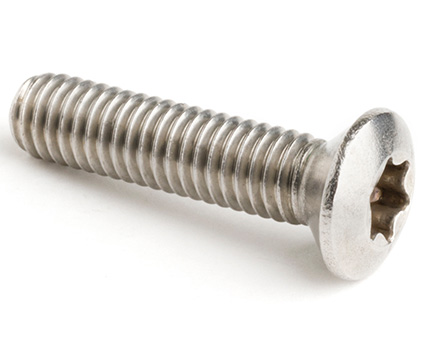
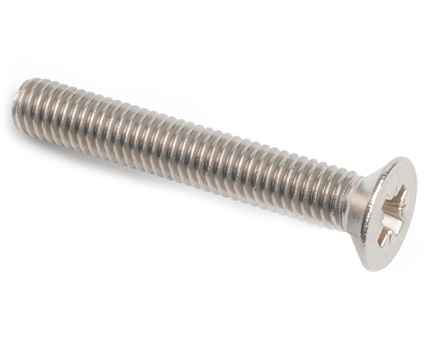
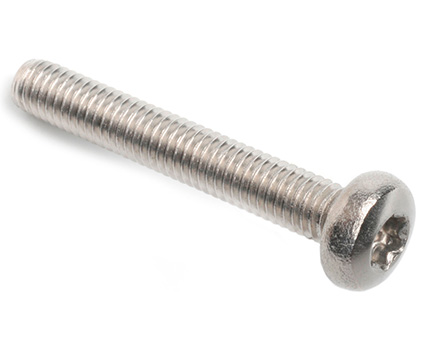
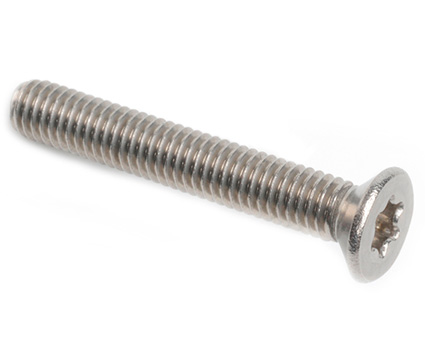
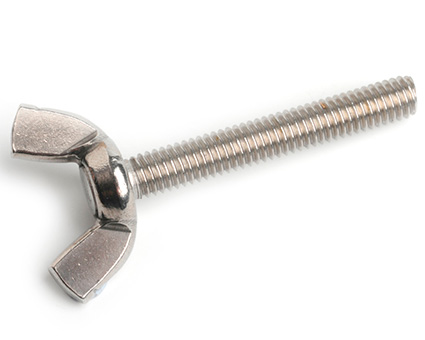
Machine Screws
Machine Screws are fully threaded fasteners designed to work with a pre-tapped hole, a captive nut, or a standard nut, rather than cutting their own thread into the material as they're driven in. This makes them the standard choice wherever a reusable, precisely torqued fixing is needed into metal, plastic or an existing internal thread. PTS's Machine Screws range spans 32 variations across seven head styles and six drive types, from everyday slotted and Pozidriv pan heads through to specialist thread-rolling and inch-series ASME options, giving engineers and buyers a single source for both metric and imperial specifications.
Materials
The Machine Screws range is available in A2 (304-equivalent) and A4 (316-equivalent) stainless steel, giving a choice between general-purpose corrosion resistance and the higher chloride/marine resistance needed for coastal, washdown or chemical-exposure environments. Additional finishes and material grades can be sourced for specific project requirements — get in touch with PTS to discuss options beyond standard A2/A4 stainless.
Slotted Cheese and Pan Head Machine Screws
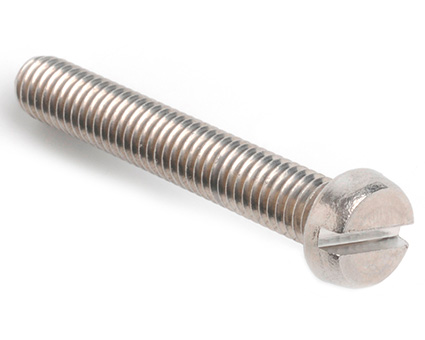
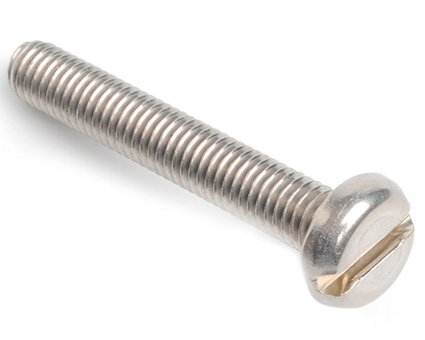
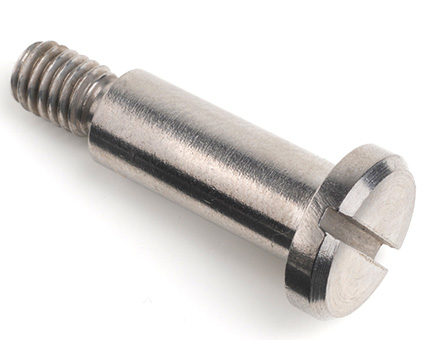
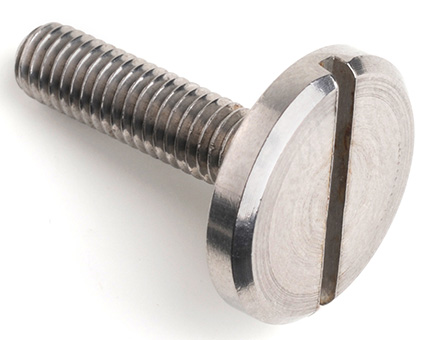
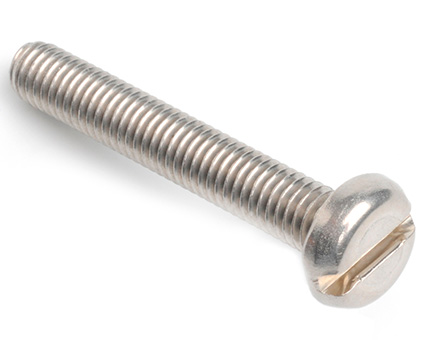
The slotted range covers both cheese head and pan head profiles across six variations: Slot Cheese Machine Screws DIN 84, Slot Pan Machine Screws, Slot Pan Shoulder Screws DIN 923, Large Head Slot Pan Machine Screws DIN 921, Reduced Head Slot Pan Machine Screws DIN 920, and Slot Shoulder Screws DIN 927. Cheese head screws (DIN 84) have a taller, straight-sided profile than pan heads, while the shoulder screw variants (DIN 923 and DIN 927) add a precision-ground unthreaded shank section for use as a pivot or locating spigot rather than a straightforward clamping fastener.
Pozi, Phillips and Hexalobular Pan Head Machine Screws
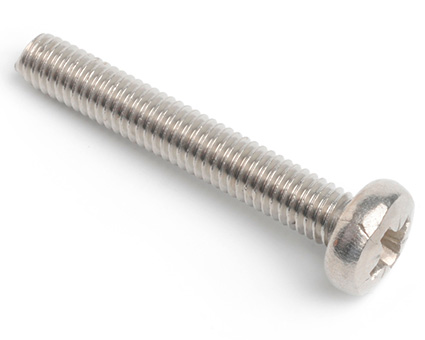
For a cross-drive alternative to slotted heads, the range includes Pozi Pan Machine Screws DIN 7985Z, Phillips Pan Machine Screws, Hexalobular Pan Machine Screws and Hexalobular Pan Machine Screws ISO 14583. These share the same pan head profile as their slotted equivalents but use a recessed cross or six-lobe drive, which reduces cam-out and allows higher installation torque than a slotted head.
Countersunk Machine Screws
Countersunk Machine Screws sit flush with the material surface once installed, making them the standard choice wherever a protruding head would foul moving parts or a mating surface. The range covers Slot Countersunk Machine Screws, Pozi Countersunk Machine Screws DIN 965Z, Phillips Countersunk Machine Screws, Hexalobular Countersunk Machine Screws and Hexalobular Countersunk Machine Screws ISO 14581, giving a countersunk option in every common drive type.
Raised Countersunk Machine Screws
Raised Countersunk Machine Screws combine a countersunk bearing surface with a domed top, giving a more finished appearance than a standard countersunk head while still seating into a countersunk hole. This sub-range includes Pozi Raised Countersunk Machine Screws DIN 966Z, Slot Raised Countersunk Machine Screws, Phillips Raised Countersunk Machine Screws, Hexalobular Raised Countersunk Machine Screws DIN 966TX and Hexalobular Raised Countersunk Machine Screws ISO 14584.
Mushroom Head Machine Screws
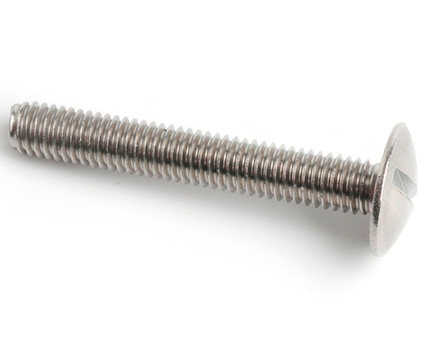
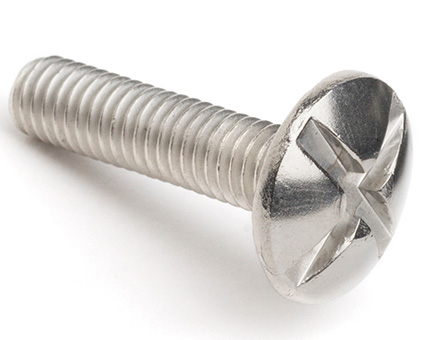
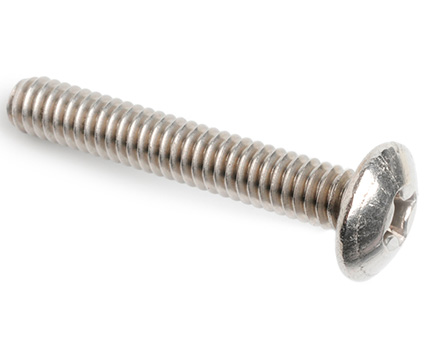
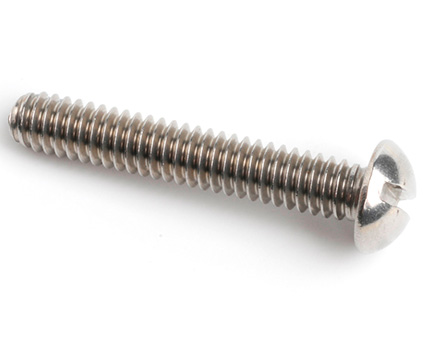
Mushroom Head Machine Screws have a low, rounded dome profile that sits proud of the surface without the sharper edges of a pan head. The range covers Slot Mushroom Machine Screws, Cross-Slot Mushroom Machine Screws NFE 25-129 and Phillips Mushroom Machine Screws ASME B18.6.3, the last following the American ASME inch-series standard rather than a metric DIN specification.
Thread Rolling Machine Screws (DIN 7500)
Thread Rolling Machine Screws are a distinct DIN 7500 sub-range that forms its own mating thread by displacing material rather than cutting it, giving a tighter, stronger fit into a pre-formed hole in metal or plastic and avoiding loose swarf. The range includes Pozi Pan Thread Rolling Screws DIN 7500C, Pozi Countersunk Thread Rolling Screws DIN 7500M, Hexalobular Pan Thread Rolling Screws DIN 7500C and Hexalobular Countersunk Thread Rolling Screws DIN 7500M.
Wing Screws and Capstan Screws
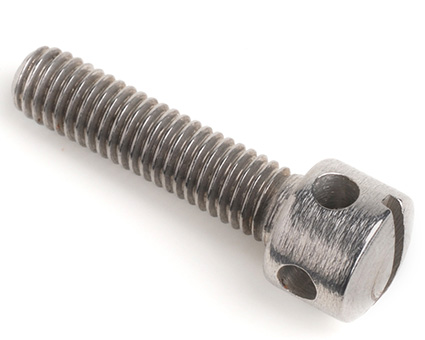
Where a fastener needs to be tightened or released by hand without tools, the range includes Wing Screws DIN 316, with two flat wings for finger-and-thumb turning, and Slotted Capstan Screws DIN 404, which have a cylindrical head with a cross-drilled hole for a tommy bar. Both suit access panels, enclosures and fixings that need frequent adjustment.
ASME Inch-Series Machine Screws
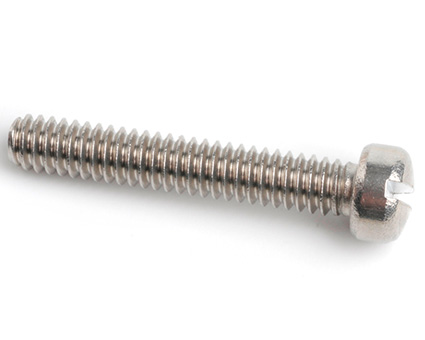
For imperial specifications, the range covers three head styles built to the American ASME B18.6.3 standard: Slot Fillister Machine Screws, with a tall, narrow cylindrical head; Slot Binding Machine Screws, with an undercut below the head designed to bind wire terminals or laminated parts; and Slot Round Machine Screws, with a full domed head. These are the inch-series options to use where a project specifies UNC/UNF threads rather than metric.
FAQs
Are Pozi and Phillips screwdrivers interchangeable?
No. Despite looking similar at a glance, Pozidriv (Pozi) and Phillips drives have different recess geometries — Pozi has additional smaller ribs between the main cross and straighter flank angles, while Phillips has tapered flanks and no ribs. Using a Phillips driver in a Pozi screw, or vice versa, increases the risk of cam-out, which can strip the recess or slip and damage the surrounding surface. Always match the driver type to the screw's actual drive specification.
What's the difference between a countersunk and a raised countersunk head?
A standard countersunk head sits completely flush with the material surface once installed, giving a smooth, low-profile finish. A raised countersunk head has the same angled bearing surface but adds a domed top that protrudes slightly above the surface, giving a more finished appearance while still seating correctly into a countersunk hole. The choice is largely aesthetic, though the raised profile is sometimes preferred where the head needs to remain visible or easy to locate.
What does a thread-rolling screw do differently from a standard machine screw?
A standard machine screw is driven into an existing tapped thread, cutting nothing as it goes in. A thread-rolling screw (DIN 7500 range) instead forms its own mating thread by displacing material within a pre-formed, untapped hole — similar in principle to a self tapping screw but engineered for a tighter, more precise fit. This produces a stronger thread with no swarf, but it requires a hole sized specifically for thread-rolling rather than a standard tapping-drill size.
Can Machine Screws be used without a nut?
Yes, provided they're driven into a pre-tapped hole or captive threaded insert rather than a plain clearance hole. If the application only has a clear, unthreaded hole, a Machine Screw needs to be paired with a corresponding Nut to hold it in place. Always match the nut's thread pitch and diameter to the screw's specification to ensure full, secure engagement.