-
Standard Range: Metric M1.0 > M52, Inch Oun > 2"
-
E-CATALOGUE



STAINLESS STEEL SELF TAPPING SCREWS
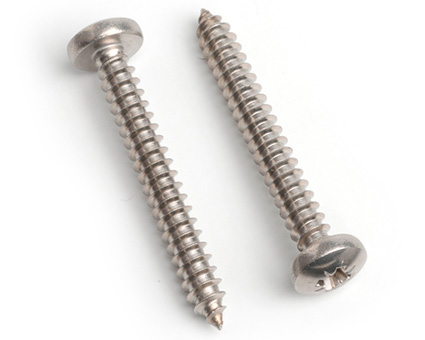
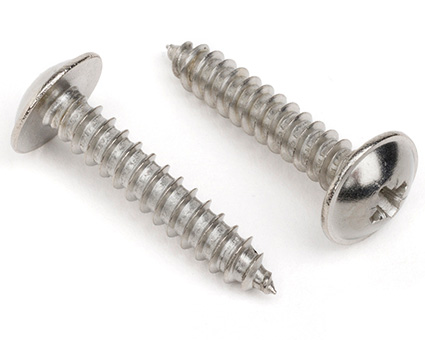
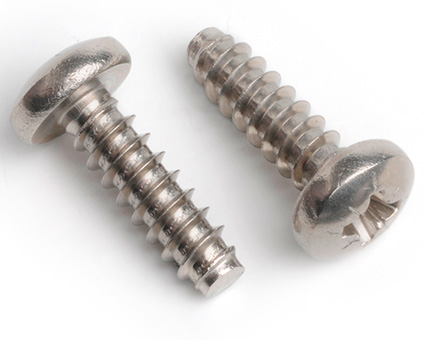
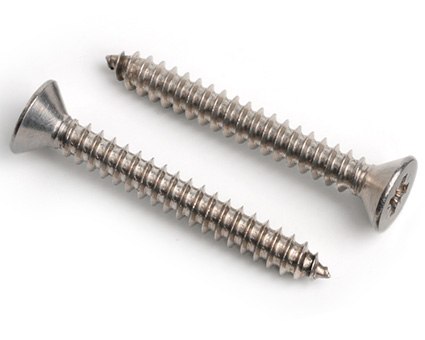
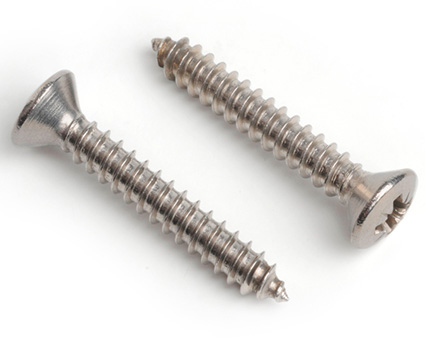
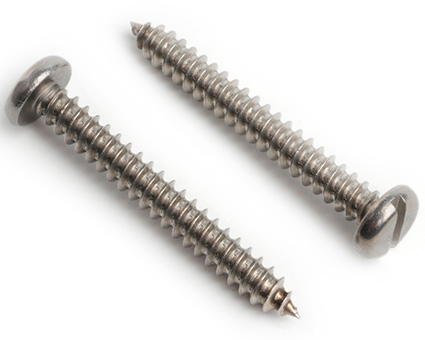
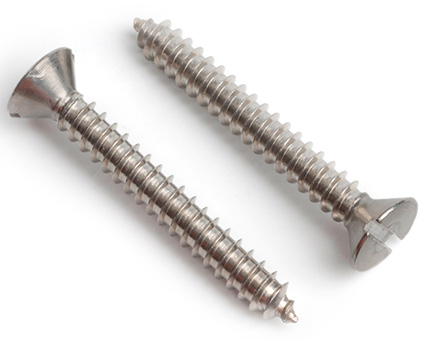
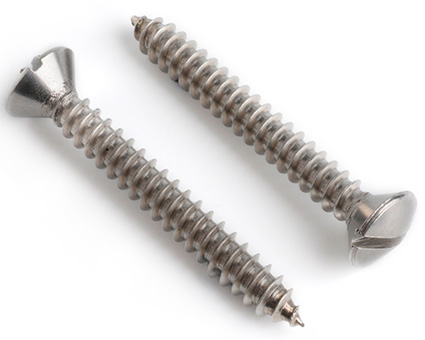
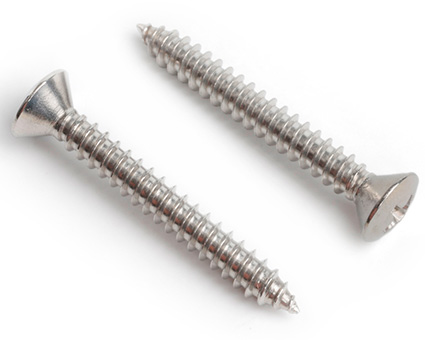
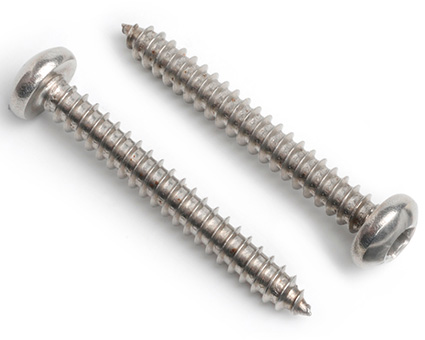
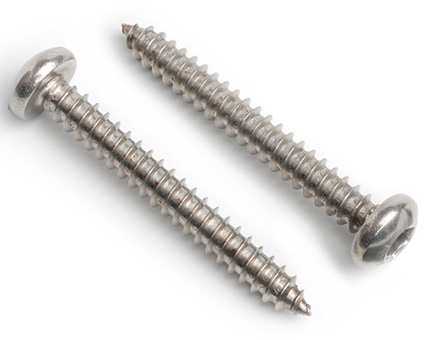
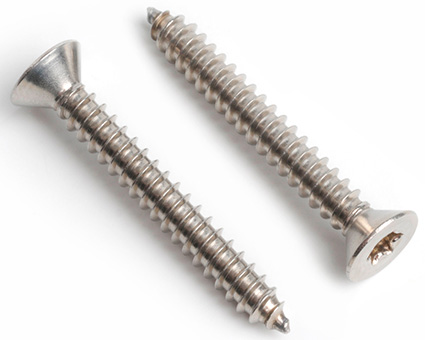
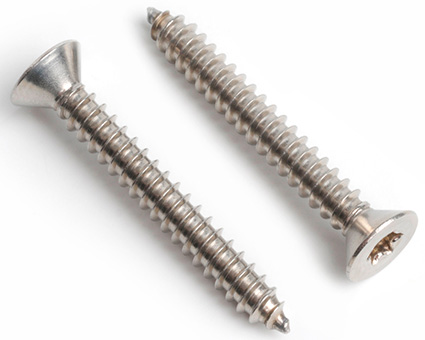
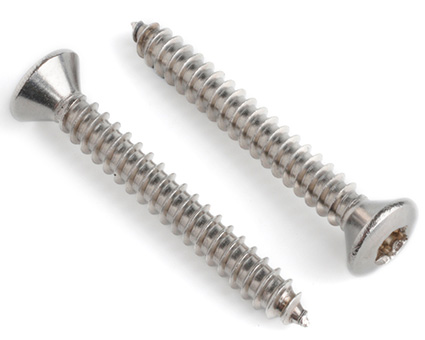
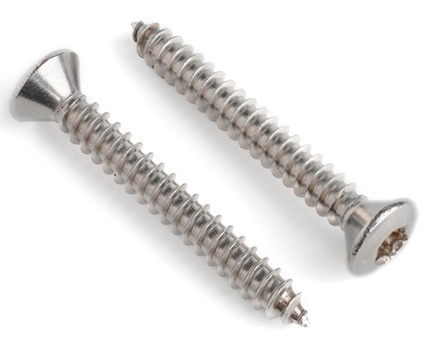
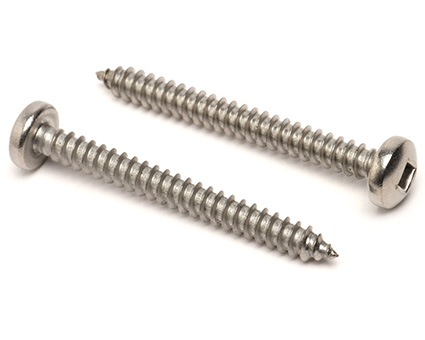
Self Tapping Screws
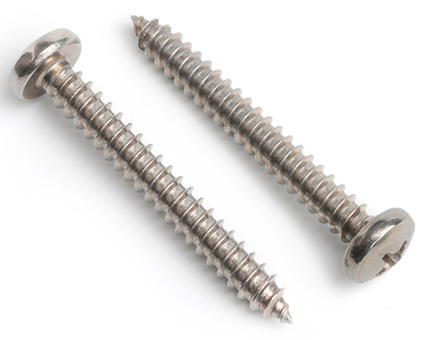
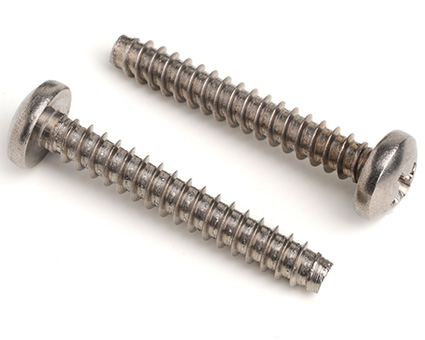
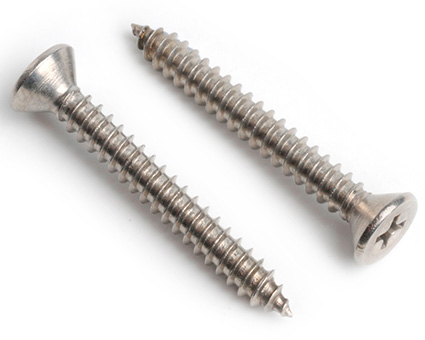
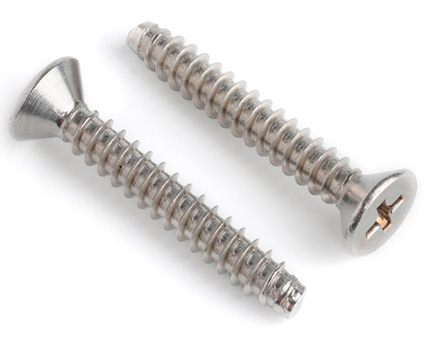
Self Tapping Screws cut their own mating thread into the material as they're driven in, rather than needing a pre-tapped hole or a separate nut. This makes them the standard fixing for sheet metal, plastics and pre-drilled holes, where forming a thread on-site is faster and more practical than machining one in advance. PTS stocks 25 variations across six drive types and two point types, plus two closely related non-screw fixings — a hammer drive and a threaded insert — for jobs the standard screw range doesn't cover.
Materials
Self Tapping Screws in this range are available in A2 (304-equivalent) and A4 (316-equivalent) stainless steel, matching the corrosion resistance needed for general indoor/outdoor use through to marine and washdown environments. Additional finishes such as zinc-plated steel can be sourced for applications where stainless isn't required — speak to PTS about alternative material options for this range.
Pozi Self Tapping Screws
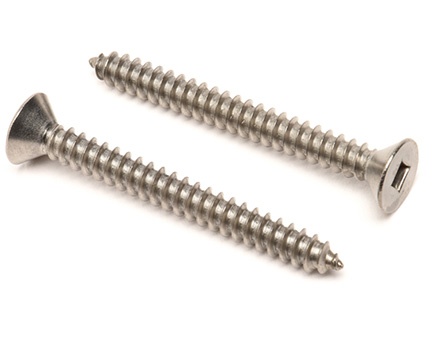
The Pozidriv range covers both point types across three head styles: Pozi Pan AB Self Tapping Screws DIN 7981CZ, Pozi Flanged AB Self Tapping Screws BS 4174, Pozi Pan B Self Tapping Screws DIN 7981FZ, Pozi Countersunk AB Self Tapping Screws DIN 7982CZ and Pozi Raised Countersunk AB Self Tapping Screws DIN 7983CZ. The flanged variant (BS 4174) adds an integral washer face beneath the head, spreading the load and removing the need for a separate washer.
Slot Self Tapping Screws
For applications still specifying a traditional flat-blade drive, the range includes Slot Pan AB Self Tapping Screws DIN 7971C, Slot Countersunk AB Self Tapping Screws DIN 7972C and Slot Raised Countersunk AB Self Tapping Screws DIN 7973C, all fitted with the self-starting AB point covered below.
Phillips Self Tapping Screws
The Phillips cross-drive range covers both AB and B points across three head styles: Phillips Pan AB Self Tapping Screws DIN 7981CH, Phillips Pan B Self Tapping Screws DIN 7981FH, Phillips Countersunk AB Self Tapping Screws DIN 7982CH, Phillips Countersunk B Self Tapping Screws DIN 7982FH and Phillips Raised Countersunk AB Self Tapping Screws DIN 7983CH.
Hexalobular Self Tapping Screws
Hexalobular (six-lobe) drives are available across three head styles, each with both a DIN and an equivalent ISO reference: Hexalobular Pan AB Self Tapping Screws DIN 7981C and ISO 14585, Hexalobular Countersunk AB Self Tapping Screws DIN 7982C and ISO 14586, and Hexalobular Raised Countersunk AB Self Tapping Screws DIN 7983C and ISO 14587. The hexalobular recess resists cam-out better than a slotted or cross drive, which suits repeated powered installation.
Square Drive Self Tapping Screws
Square Drive Pan Self Tapping Screws DIN 7981C and Square Drive Countersunk Self Tapping Screws DIN 7982C use a straight-sided square recess which, like hexalobular, is designed to minimise cam-out under power-tool installation.
Hexagon Head and Socket Cap Self Tapping Screws
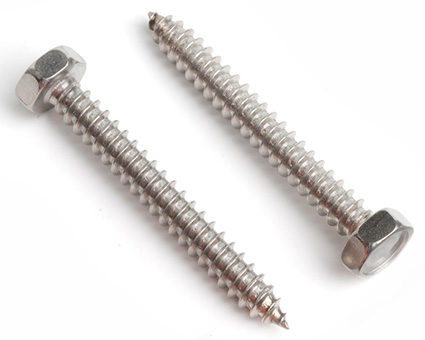
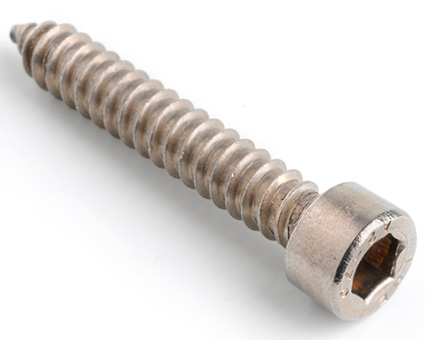
Where a fastener needs to be driven with a spanner or socket rather than a screwdriver, the range includes Hexagon Head AB Self Tapping Screws DIN 7976 and Socket Cap Head Self Tapping Screws, the latter combining a self-tapping thread with the cylindrical, deep-socket head more commonly seen on Socket Screws.
Specialist Fixings: Hammer Drives and Threaded Inserts
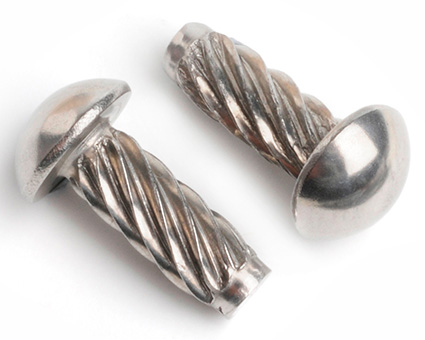
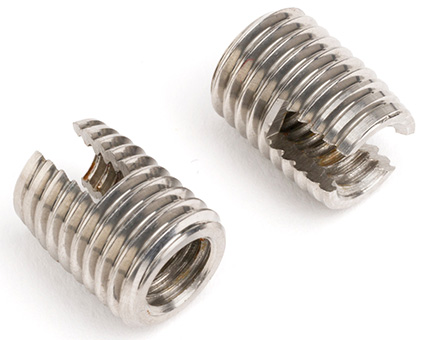
Two products in the range aren't conventional screws. Round Head Hammer Drives ASME B18.6.3 are driven in with a hammer rather than a screwdriver, used for permanently fixing nameplates and similar fittings that aren't intended to be removed. Self Tapping Insert Type 302 is a threaded insert rather than a screw, designed to be driven into a pre-formed hole to create a durable internal thread that a separate machine screw can then be fitted into.
FAQs
What's the difference between a self tapping screw and a self drilling screw?
A Self Tapping Screw needs a pre-drilled pilot hole to work into — it forms a mating thread within that hole as it's driven in, but it can't create the hole itself. A Self Drilling Screw has a drill-point tip that bores its own hole and forms the thread in a single operation, so no pre-drilling is needed. If the material hasn't been pre-drilled, use a Self Drilling Screw rather than a Self Tapping Screw.
What's the difference between an AB point and a B point?
An AB point has a sharper, self-starting tip with cutting slots that help the screw bite into thin sheet metal, plastic or wood without needing an especially precise pilot hole. A B point has a blunter, more tapered tip designed for pre-drilled holes in heavier-gauge metal, where the hole is already sized close to the finished thread diameter. As a rule, choose an AB point for general-purpose fixing into thinner materials and a B point where the hole has already been accurately drilled.
What drive types are available for self tapping screws?
This range covers Pozidriv, slotted, Phillips, hexalobular (six-lobe), square and hexagon head drives, across pan, countersunk, raised countersunk and flanged head styles. Hexalobular and square drives are generally the best choice for repeated power-tool installation, as their straight-sided recesses resist cam-out better than slotted or Phillips drives.
When would I use a hammer drive or a threaded insert instead of a standard self tapping screw?
A Round Head Hammer Drive suits a permanent fixing — such as attaching a nameplate or tag — that will never need to be unscrewed, since it's driven in with a hammer rather than a screwdriver. A Self Tapping Insert is used where a hole is likely to be fitted and removed repeatedly, or where a stronger internal thread is needed than a self tapping screw alone would form directly in the base material; the insert is driven in once, and a standard machine screw is then used into it.